Silent Bathroom Fans in Georgia
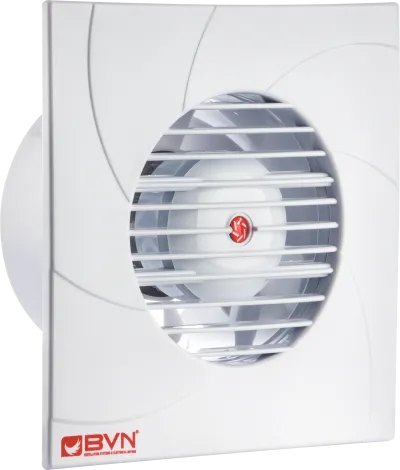
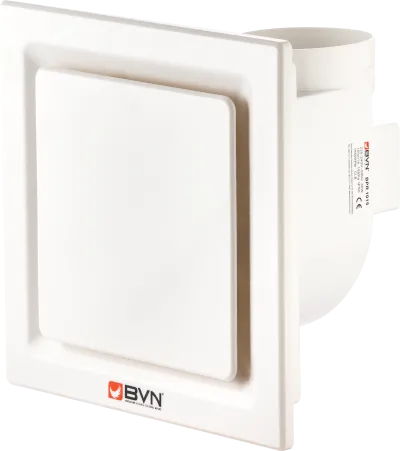
A bathroom fan extracts humid, stale air from the room into a ventilation duct or directly outside. Its main purpose is to reduce excess humidity, refresh the air and prevent problems such as condensation, unpleasant odours and a high risk of mould.
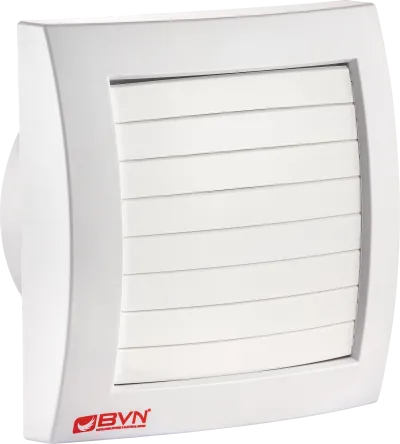
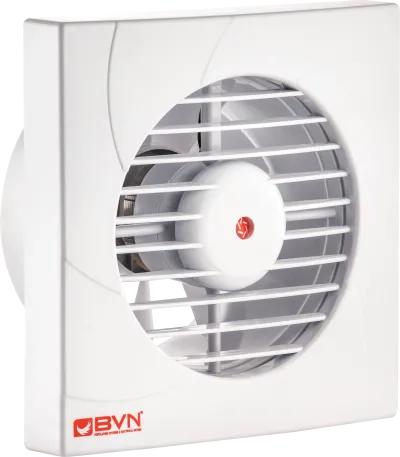
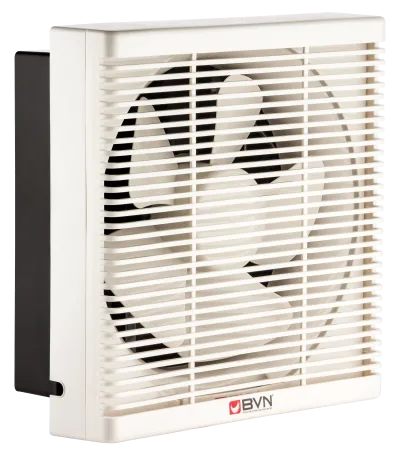
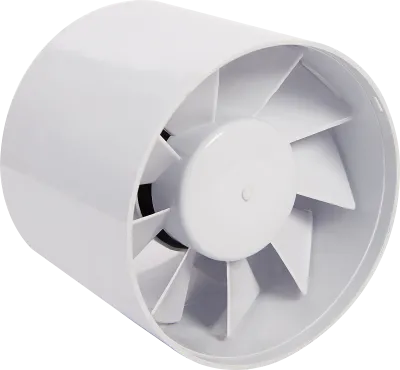
Why is bathroom ventilation important?
The main goal of ventilation in a bathroom is to remove excess humidity quickly and refresh the air regularly. When someone takes a shower, the amount of water vapour in the air rises rapidly.
If the humid air does not leave the room in time, the following can appear:
- condensation on mirrors and surfaces;
- damp on walls and ceilings;
- unpleasant odours;
- conditions favourable for mould;
- damage to paint and other finishing materials.
A fan is an important part of preventing these problems, although where damp or mould already exists the cause has to be assessed in full.
How does a bathroom fan work?
A bathroom fan takes air from the room and removes it through a ventilation duct to the outside. For this process to be effective, fresh air also has to enter the room - for example through a gap under the door, a dedicated ventilation grille, another room or a separate supply system. If the bathroom is completely sealed and there is no path for air to enter, the real capacity of the fan can be reduced.
How to select a bathroom fan
1. What is the volume of the bathroom?
You need to know not only the floor area of the room but also the ceiling height. The volume of the space is calculated as floor area multiplied by ceiling height. Two bathrooms with the same 6 m2 floor area can have completely different volumes if the ceiling height differs.
2. Why does fan capacity matter?
The air capacity of a fan is usually expressed in m3/h. However, the maximum capacity stated in a catalogue and the airflow actually achieved in a real ventilation duct are not always the same. The real result is affected by duct length, diameter, the number of bends, a backdraft damper, a grille and other components that create resistance.
100, 125 or 150 mm bathroom fan?
| Diameter | What to pay attention to |
|---|---|
| 100 mm | A common size for small ducts and relatively low air demand |
| 125 mm | Can be used where a higher airflow is required |
| 150 mm | Often used in higher capacity systems |
Diameter alone does not determine the capability of a fan. Two 100 mm models can differ significantly in m3/h, noise level, pressure capability, motor and control functions. The correct approach is therefore: first define the required airflow and the duct conditions, then select a model of the appropriate size.
How does duct length affect performance?
The longer and more complex the duct, the more resistance the fan has to overcome. If the fan is installed directly on an external wall and the air travels a short distance, the resistance is relatively low. But if the air has to pass several metres of duct, several bends, a shared ventilation shaft, a grille or a backdraft damper, the system creates considerably more resistance.
Why does the noise level matter?
A bathroom fan often works close to a bedroom or other living space, so noise is an important factor in the selection. A low noise level is particularly important in a small apartment, in a bathroom next to a bedroom, in a hotel room and when the fan is used at night.
What is a bathroom fan with a timer?
A fan with a timer keeps running for a certain period after you leave the bathroom. This is practical because humidity does not disappear instantly when a shower ends. A timer allows ventilation to continue for some additional time.
What is a fan with a humidity sensor?
A humidity sensor monitors the humidity of the air and, in a suitable model, provides automatic operation of the fan. Such a function can be useful if the user forgets to switch the fan on, if humidity in the bathroom is often high, or if more automatic control is required.
Timer or humidity sensor?
| Function | When it is practical |
|---|---|
| Standard switching | For a simple system |
| Timer | When we want operation to continue after use |
| Humidity sensor | For automatic control |
| Timer plus sensor | For a more flexible automatic mode |
Not every bathroom needs a complex control system. The important thing is that the function matches a real need.
What is a backdraft damper used for?
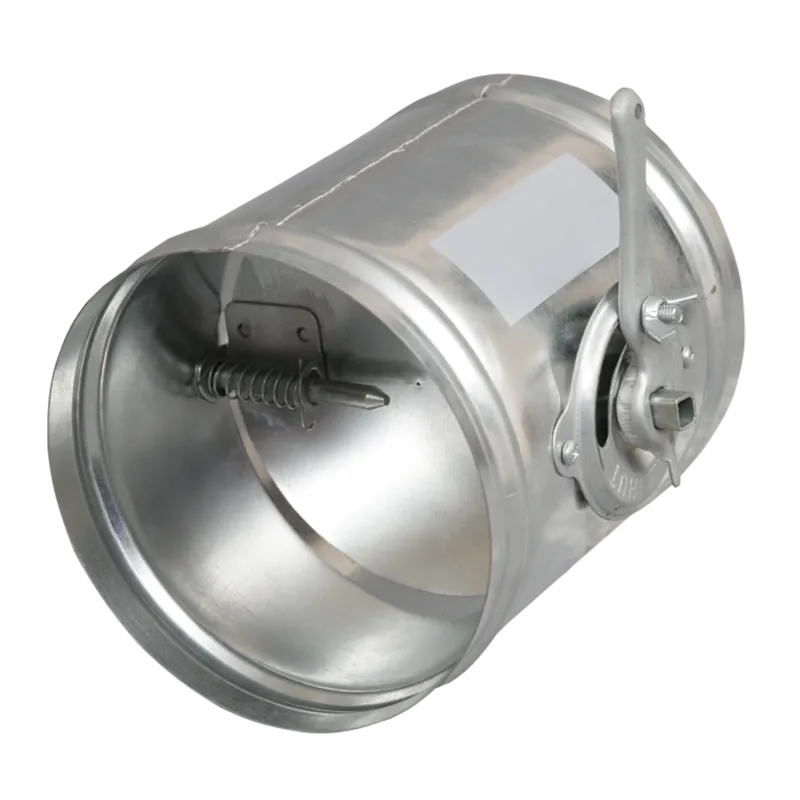
A backdraft damper prevents air returning from the ventilation duct when the fan is switched off. It is particularly useful if cold air comes in from the duct, if a foreign odour is noticeable, or if several spaces share one ventilation duct.
Why can the fan run and humidity still remain?
There are several common reasons: the fan capacity is insufficient and the unit cannot handle the volume of the space; the duct is too long or too complex; air cannot enter the room because of a sealed door; the fan switches off too soon; or the duct is contaminated.
What are the most common mistakes when selecting a bathroom fan?
Selecting by diameter only
"I have 100 mm and any 100 mm model will do" is not a correct principle.
Choosing the highest m3/h
Excess capacity is not always necessary and can also increase noise.
Not considering duct length
A long or complex duct may require a fan with different working capabilities.
No air entering the room
A fan cannot extract air effectively if fresh air has no way of entering the room in its place.
How to select a bathroom fan in practice
Before selection it helps to know:
- the bathroom floor area;
- the ceiling height;
- the ventilation duct diameter;
- the duct length;
- the number of bends;
- whether the air goes directly outside or into a shared shaft;
- how important a low noise level is;
- whether a timer is required;
- whether a humidity sensor is required;
- whether a backdraft damper is required;
- where the fan is to be installed.
With this data specific models can be compared much more accurately.
Bathroom fans at NB Group
NB Group supplies bathroom fans in Georgia for residential, hotel and small commercial spaces.
During selection it is possible to assess the required air capacity, the fan diameter, the resistance of the ventilation duct, the noise level, a timer or humidity sensor, the need for a backdraft damper and the installation conditions.
For BVN products whose detailed technical data is presented on the manufacturer's Cloudair platform, the official technical page can be reached from the NB Group category. NB Group branches are located in Tbilisi and Batumi.
Frequently asked questions
A bathroom fan is an extract unit that removes humid, used air from the room into a ventilation duct or outside.
It helps reduce excess humidity, condensation, unpleasant odours and the risk of mould forming.
You need to consider the volume of the room, the duct diameter and length, the required airflow, the noise level and the control functions.
No. Diameter is only one parameter. The required capacity depends on the conditions of the room and the ventilation system.
A timer allows the fan to keep running for a certain period after the bathroom has been used.
A humidity sensor monitors air humidity and, in a suitable model, provides automatic control of the unit.
Common reasons are insufficient capacity, a long duct, no air entering the room, a contaminated duct or the fan running for too short a time.
NB Group branches are located in Tbilisi and Batumi. Contact us for a consultation.