Corner Flanges for Duct Systems in Georgia
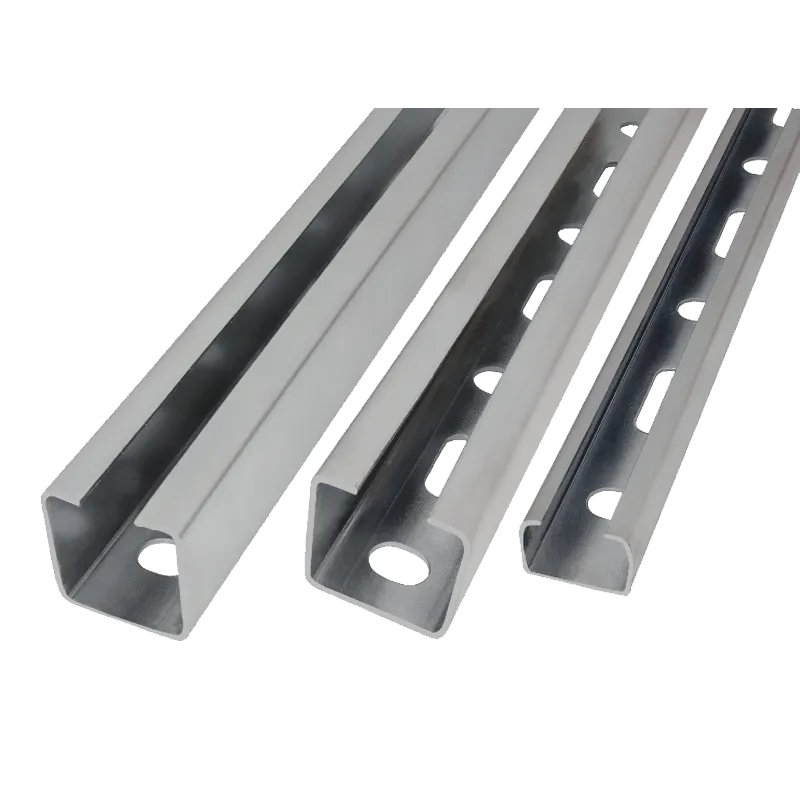
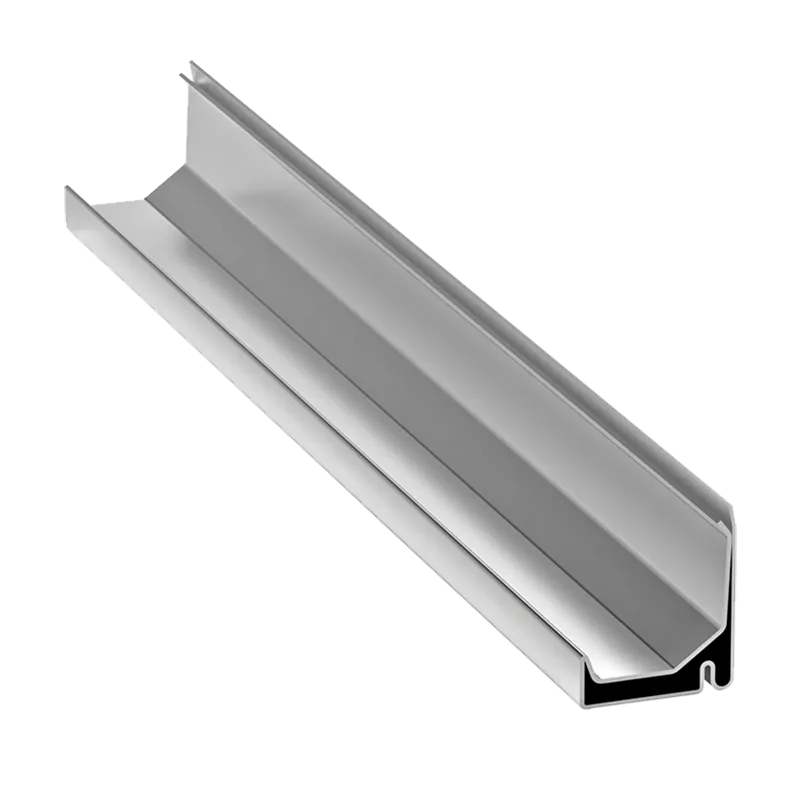
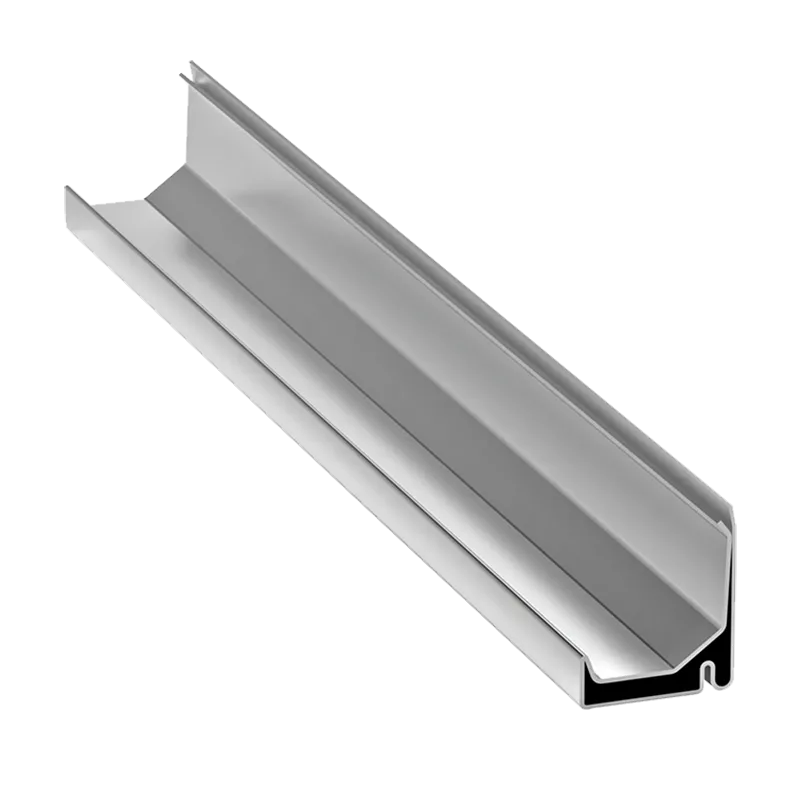
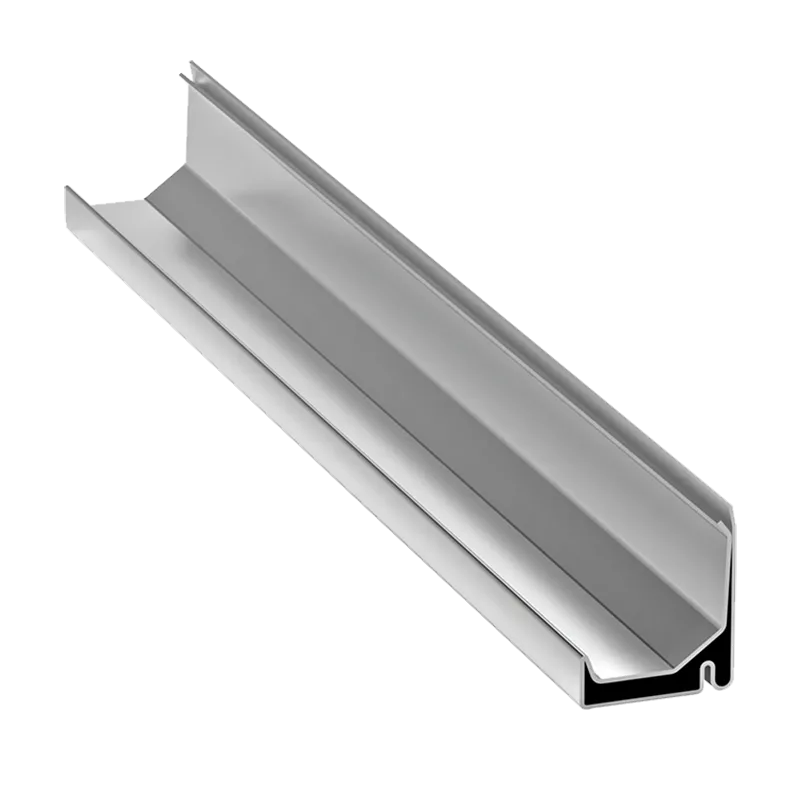
A flange profile is a mounting element used to connect sections of rectangular ventilation ducts and to reinforce their edges. The NB Group range includes 20, 25, 30 and 35 mm flange profiles, the corresponding corner pieces and the additional components needed for the connection.
What is a flange profile?
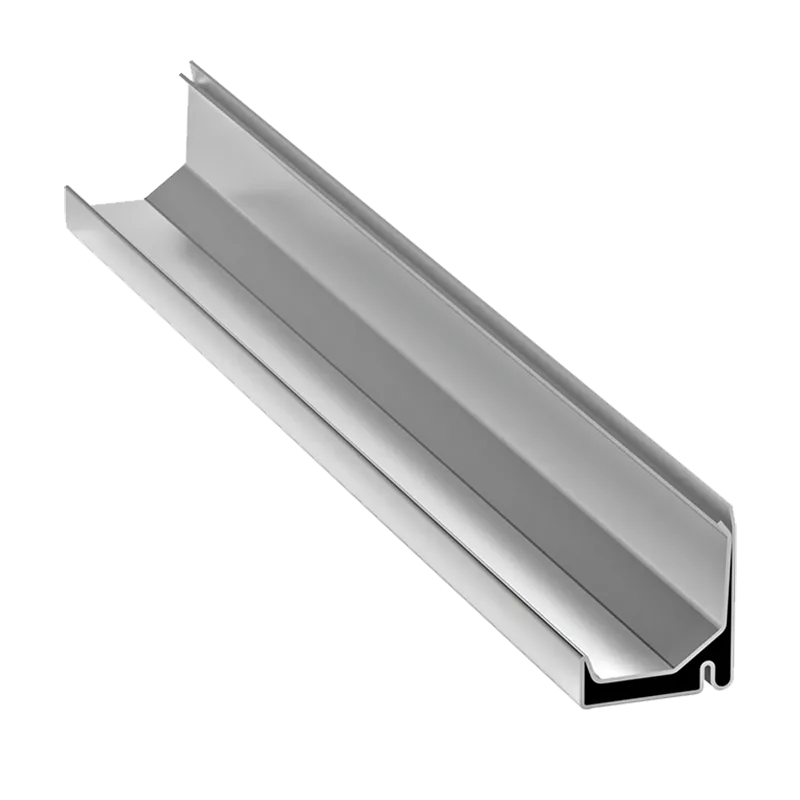
A flange profile is used to form a flanged connection at the edge of a rectangular ventilation duct. The profile is placed around the perimeter of the duct section, and corresponding corner pieces are used at the corners. Through the resulting frame two duct sections are joined firmly to each other.
The main functions of a flange profile are:
- reinforcing the duct edge;
- connecting sections to each other;
- maintaining the rectangular shape;
- simplifying installation;
- supporting the creation of a sealed connection.
A flange profile is therefore not just an auxiliary metal part - it is part of the connection system of rectangular ductwork.
Where are flange profiles used?
Flange profiles are mainly used in rectangular duct systems. Such systems are often found in commercial buildings, retail spaces, offices, hotels, restaurants and professional kitchens, warehouses, industrial facilities and centralised HVAC systems.
Rectangular ducts are particularly practical where the available height for ductwork is limited or the architectural space is specific.
How does a flange profile system work?
Joining two sections of rectangular duct is achieved through several components working together. Normally you need a flange profile of the appropriate size, corner pieces intended for that profile, elements connecting the profiles to each other, a gasket or suitable sealing material and the required fixing parts.
The main goal is to obtain a firm and as sealed as possible connection between sections. If one of the components is incorrectly selected or installed, the problem can appear both as air leakage and as vibration and mechanical instability.
How to select the flange profile size
The size of the profile has to match the construction and load of the specific duct. The NB Group category includes 20 mm, 25 mm, 30 mm and 35 mm flange profiles.
Choosing a larger profile does not automatically mean a better solution. The correct size depends on the duct dimensions, the section size, the strength requirement of the structure, the installation method and the working conditions of the system. The profile and the corresponding corner piece have to belong to the same size system.
Why does the matching corner piece matter?
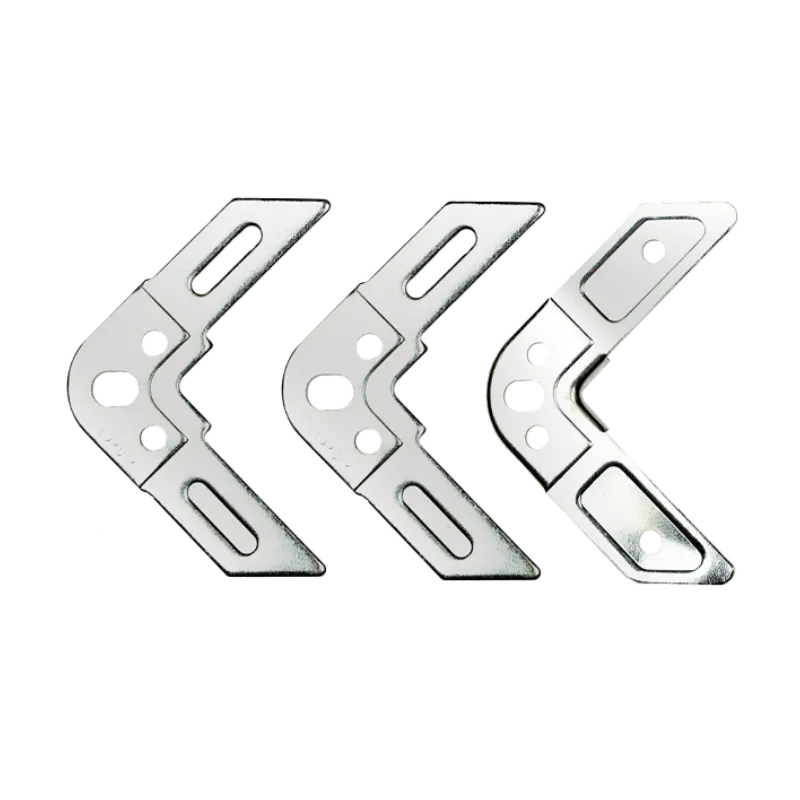
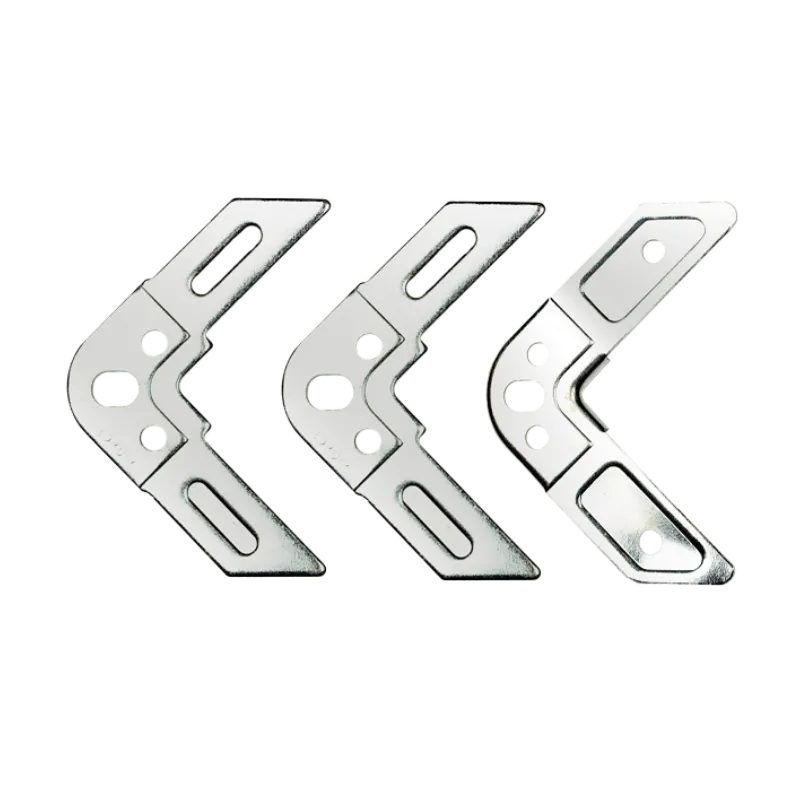
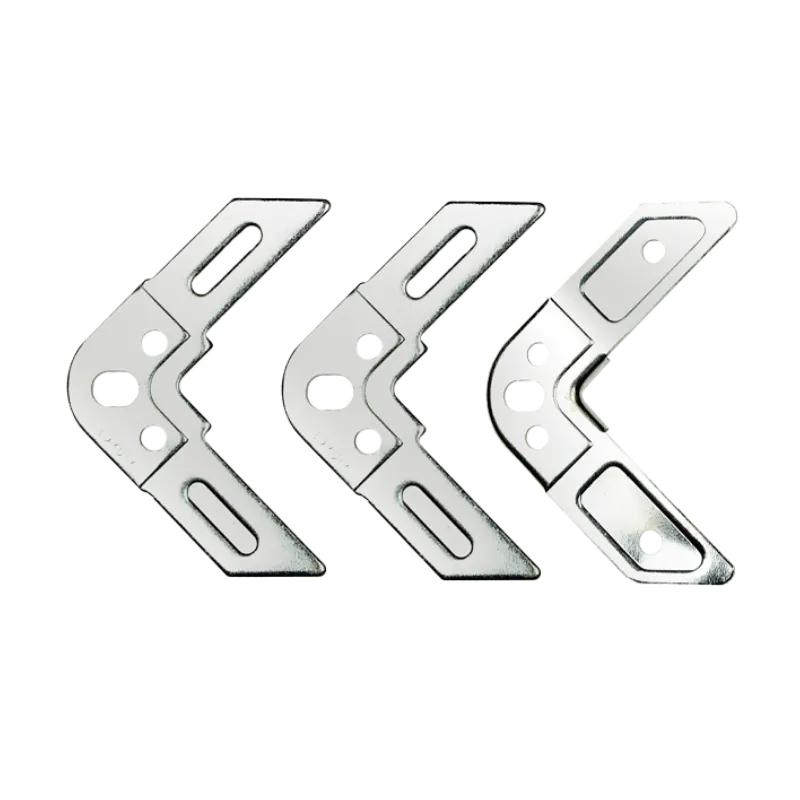
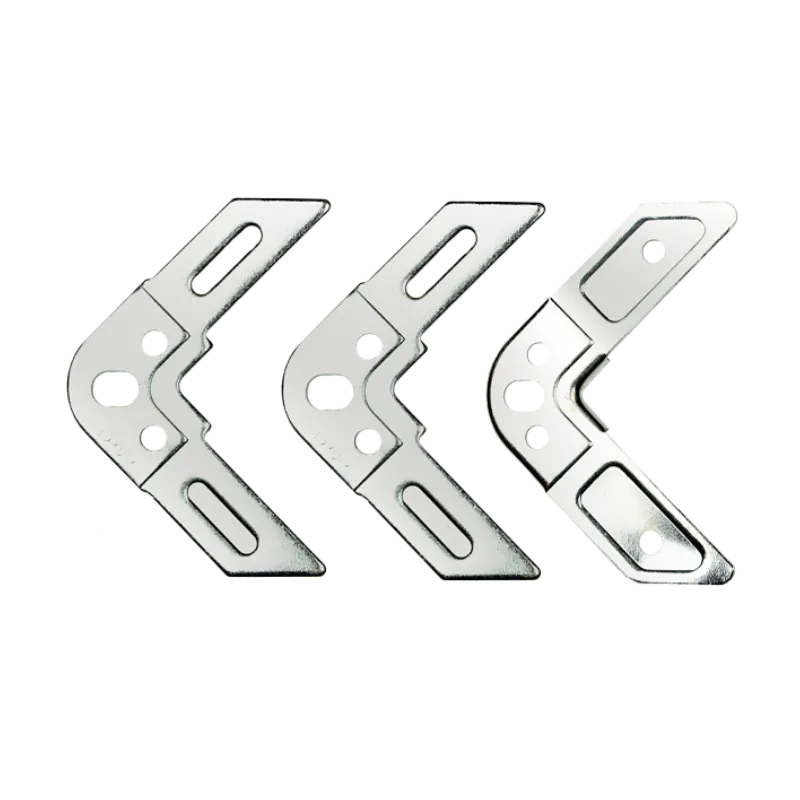
A corner piece joins the four sections of profile into a single frame. If the profile is 25 mm, a corner part of the corresponding size has to be used. The NB Group range also includes corner pieces matching the 20, 25, 30 and 35 mm profiles.
An incorrectly sized part can cause poor fit, deformation of the frame, insufficient strength, difficult installation and a risk of air leakage at the connection.
Why does a sealed connection matter?
In a ventilation system the air should move inside the duct and not be lost at the joints between sections. Insufficient sealing can cause air leakage, a reduction in the real capacity of the system, loss of the required airflow, additional noise, excessive energy loss and difficulty in balancing the system.
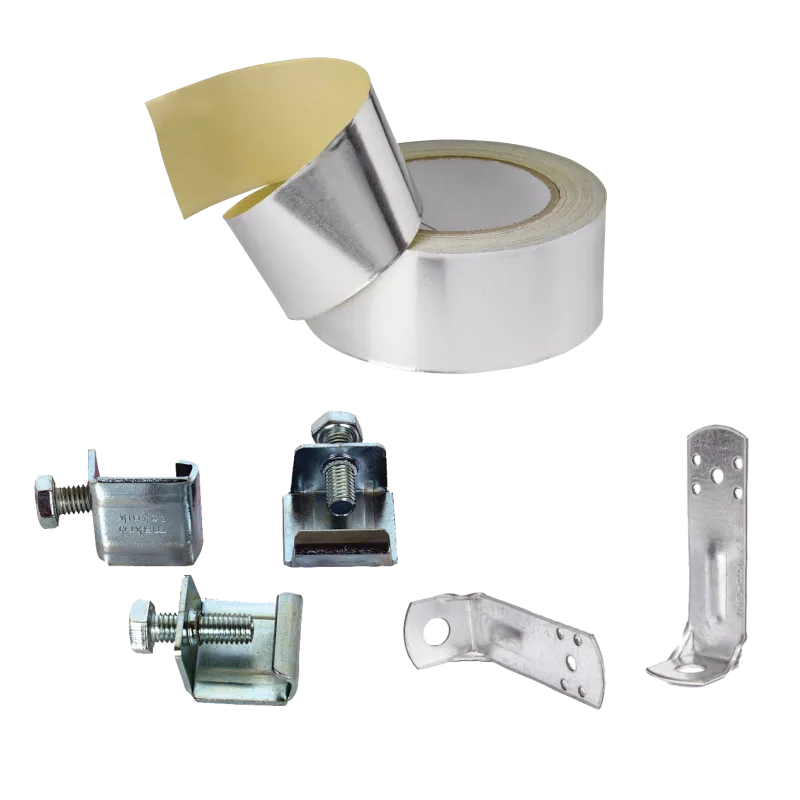
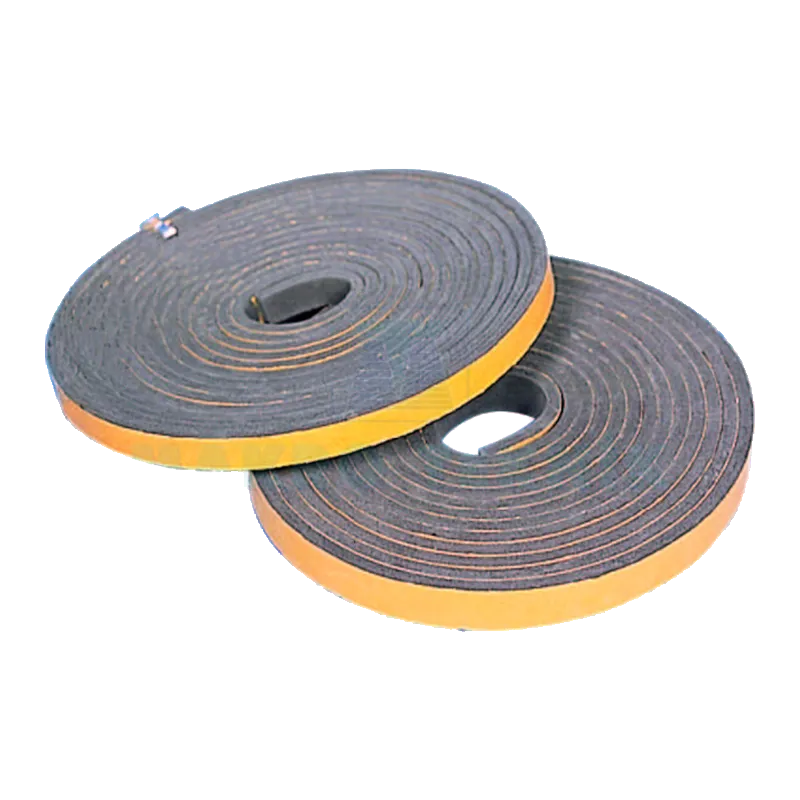
When connecting profiles it is therefore important to consider not only mechanical strength, but also the use of a suitable gasket and sealing method. The same NB Group category also includes MTEC gasket tape.
Which components may be needed together with a flange profile?
A flange profile does not create a complete connection on its own.
| Component | Function |
|---|---|
| Corner piece | Joining the profiles into a frame |
| Gasket tape | Improving the sealing of the connection |
| Profile clamp | Additional fixing |
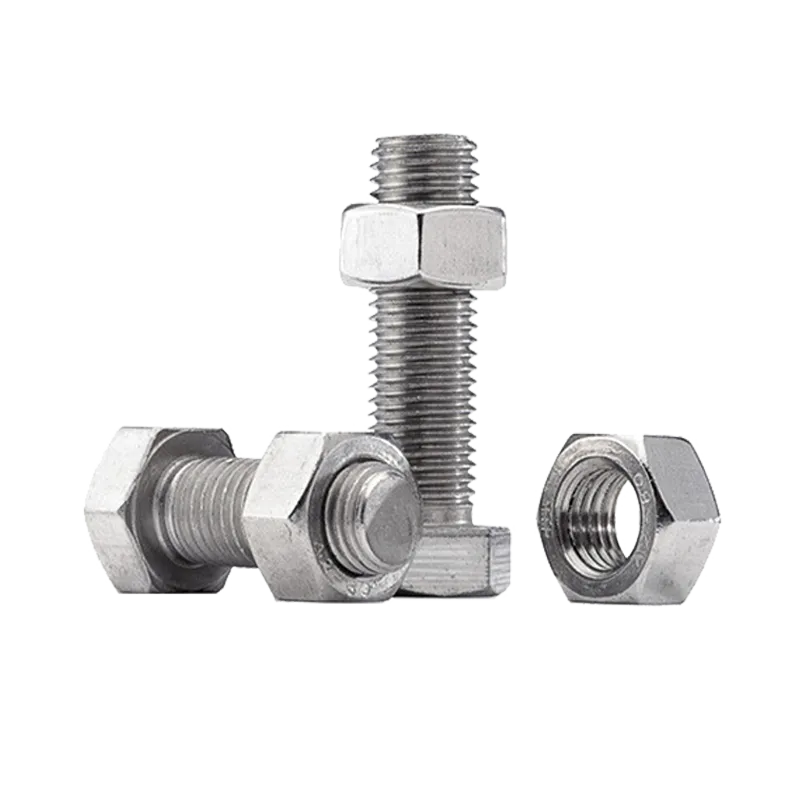
| Nuts and bolts | Mechanical connection of the sections |
| Other mounting accessories | Depending on the type of system |
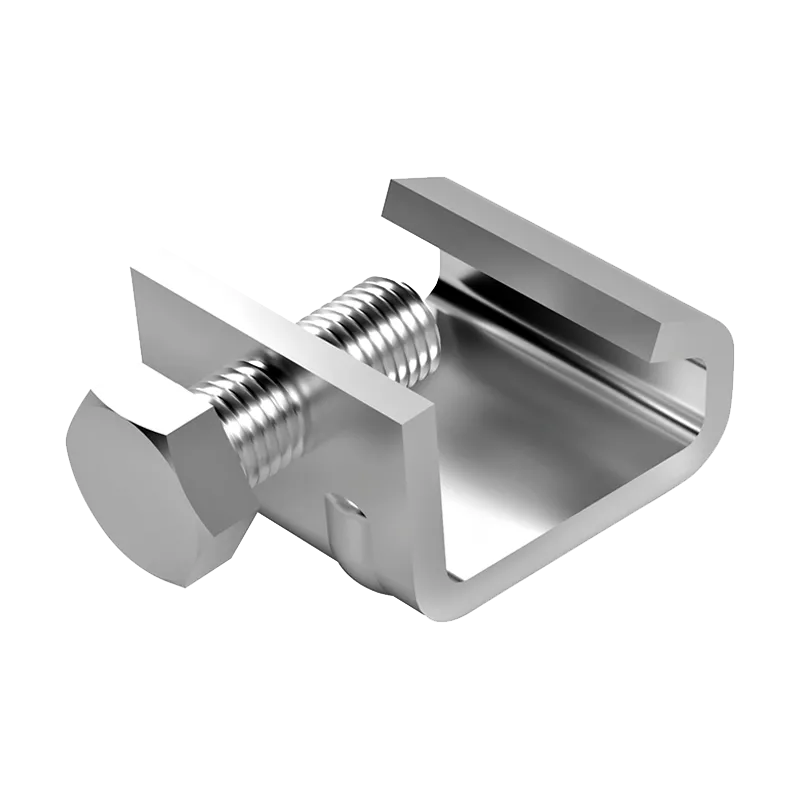
The NB Group category also includes the MTVTK profile clamp, whose necessity has to be determined according to the duct size, the type of connection and the installation requirements.
What are the most common mistakes when using flange profiles?
Selecting a profile by price only
The size and compatibility of the profile have to be determined according to the specific duct system.
Using components of different sizes together
The profile, the corner piece and other fixings have to belong to the same system.
Ignoring sealing
Even a firmly connected duct can leak air if the joint is not properly sealed.
Cutting the profile inaccurately
Imprecise dimensions make it harder to create a correct rectangular frame.
What information is needed to select a suitable profile?
Before selecting a product it helps to know:
- what kind of duct is being made;
- the size of the duct;
- what profile system is used;
- what size of profile is required;
- whether the corresponding corner pieces are available;
- what load the section will carry;
- what type of sealing is used;
- what additional mounting components are needed.
Based on this information a suitable profile and the related auxiliary parts can be selected as one system.
Flange profiles at NB Group
NB Group supplies flange profiles for ventilation ducts and mounting components compatible with them. The category includes 20, 25, 30 and 35 mm flange profiles, corner pieces of the corresponding sizes, the MTVTK profile clamp and MTEC gasket tape.
NB Group branches are located in Tbilisi and Batumi, and technical consultation is available for selecting the required size and the corresponding mounting parts.
Frequently asked questions
A flange profile is a mounting element used to connect rectangular ventilation ducts and reinforce their edges.
It is mainly used to create flanged connections between sections of rectangular ductwork.
The current NB Group category includes 20, 25, 30 and 35 mm flange profiles.
The size has to match the duct dimensions, the load of the structure and the connection system used.
Yes, a corner piece is used to join the profile sections into a single frame, and its size has to match the corresponding profile.
A gasket helps create a sealed connection between sections and reduces air leakage.
Components have to be selected from a compatible system. An incorrectly sized part can reduce the strength and quality of the connection.
NB Group branches are located in Tbilisi and Batumi. Contact us for a consultation.