EC Energy-Efficient Fans in Georgia
An EC fan is equipped with an electronically commutated motor, which makes it easier to control the airflow flexibly and adapt the system to different operating modes. EC technology is particularly practical where ventilation runs for long periods, speed control is required or energy consumption matters.
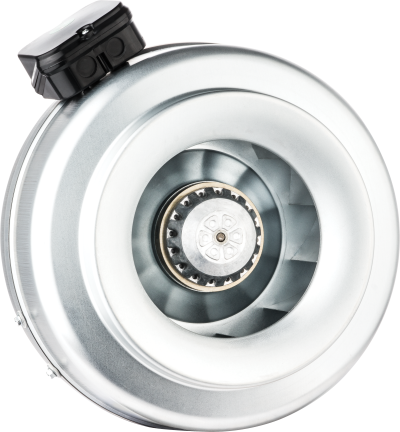
What is an EC fan?
An EC fan uses an electronically commutated motor whose operation is electronically controlled. This technology makes it possible to change the operating mode of the fan as required and adapt the air supply or extraction to the current demand of the system.
EC fans are often used where the following matter:
- speed control;
- management of energy consumption;
- long operating periods;
- integration with automation;
- different airflow at different times;
- more flexible control of the system.
EC technology does not mean that any EC fan is the best choice for every project. The specific model still has to be selected according to the technical requirements of the system.
What does EC mean?
EC stands for Electronically Commutated. In such a motor electronic control manages the operating mode.
For the user the main practical meaning is that, with a suitable EC system, the speed and capacity of the fan can be controlled more flexibly.
For example, if the number of people in an office changes during the day, the ventilation demand may not stay constant either. Under such conditions a controllable system allows the fan to run in the required mode rather than always at maximum capacity.
What is the difference between an EC and a standard fan?
The main difference lies in the motor technology and the control capability.
| Parameter | EC fan | Standard fan |
|---|---|---|
| Motor control | Electronic | Depends on the motor type |
| Speed control | Often more flexible | Possible, but depends on the system |
| Variable operating mode | Particularly practical | Depends on the model and control |
| Integration with automation | Often a good option | Depends on the model |
| Optimisation of energy use | A strong point | Depends on the system |
| Initial cost | May be higher | Often relatively lower |
The main conclusion from this table is not that EC is always better. The right choice depends on whether the specific ventilation system really needs variable capacity and electronic control.
When is an EC fan worth choosing?
When ventilation runs for long periods
If the unit runs for many hours a day or continuously, efficient management of energy consumption becomes more important.
When air demand changes constantly
In an office, hotel, retail space or other commercial facility the number of people and the load can vary during the day. If the system is equipped with suitable automation, the fan capacity can follow the demand.
When speed control is required
In some systems a single constant speed is not optimal. With an EC fan, a suitable model can allow the airflow to be changed across different operating modes.
When automation matters
Modern HVAC systems often use sensors and control systems. If a specific EC model supports it, the unit can be integrated into a wider automation system.
How to select an EC fan
The EC motor is only one characteristic. To select a suitable fan, the requirements of the whole system have to be assessed.
1. What airflow is required?
Airflow shows what volume of air the system can move. The required figure depends on the volume of the space, the purpose of the facility, the number of people, the working process and the air change requirement. EC technology does not replace a correct air change calculation.
2. What pressure must the fan overcome?
Ducts, bends, filters, dampers and other components create resistance to air movement. It is therefore necessary to know not only the maximum m3/h, but also what airflow a specific fan provides under the required working pressure.
3. How wide a control range is needed?
You need to define whether you simply need several modes, continuously variable speed, automatic control, connection to sensors or integration with a building management system. The specific control capabilities must always be checked in the technical documentation of the model.
4. What noise level is acceptable?
In offices, hotels, residential and other comfort oriented spaces noise control is an important factor. The operating mode of the fan, the installation and the ventilation network also affect the final noise level.
5. How long does the system run?
If ventilation runs for a few hours a day, the economic benefit can differ from a system running 24 hours. The real operating mode should therefore also be assessed when choosing EC technology.
Why can an EC fan consume less energy?
One of the main advantages of EC technology is that the fan can adapt its operation to the real demand instead of always running at maximum.
However, the real saving depends on:
- the model of the unit;
- the operating mode;
- the control of the system;
- the load profile;
- the ventilation network;
- installation and automation.
Promising a specific percentage saving simply because the unit is of EC type would therefore not be correct.
Does an EC fan automatically mean a quiet fan?
No. The presence of an EC motor does not automatically mean that every EC fan is quiet in every operating mode.
The noise level is affected by:
- fan size;
- operating speed;
- airflow;
- pressure;
- construction;
- duct design;
- installation;
- vibration.
One possible advantage of EC control is that when maximum capacity is not required, the unit may be able to run at a lower mode. But the final noise figure has to be assessed from the technical data of the specific model.
Is an EC fan always the best choice?
No. An EC fan is a particularly effective solution for certain types of system, but it is not mandatory for every project.
For example, if:
- the fan runs rarely;
- only one constant mode is required;
- automation is not used at all;
- energy consumption is small;
a simpler technical solution may be sufficient. The right question is not "is EC better than standard?" but rather "what kind of control and operating mode does my ventilation system need?"
What are the most common mistakes when selecting an EC fan?
Choosing EC only in the expectation of energy efficiency
The motor type matters, but the saving depends on the whole system and the operating mode.
Ignoring airflow and pressure
If the fan cannot provide the required operating point, EC technology will not fix that problem.
Not checking automation capabilities in advance
Not every model has the same control interface and functions.
Choosing an oversized model
A unit with maximum capacity is not automatically the optimal choice.
Judging noise by motor type alone
Noise is the result of the whole system working, not only of EC or AC technology.
EC fans at NB Group
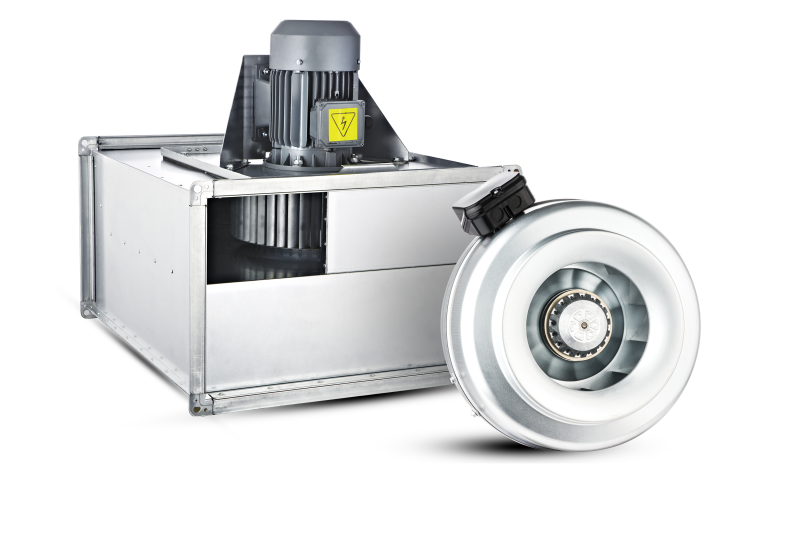
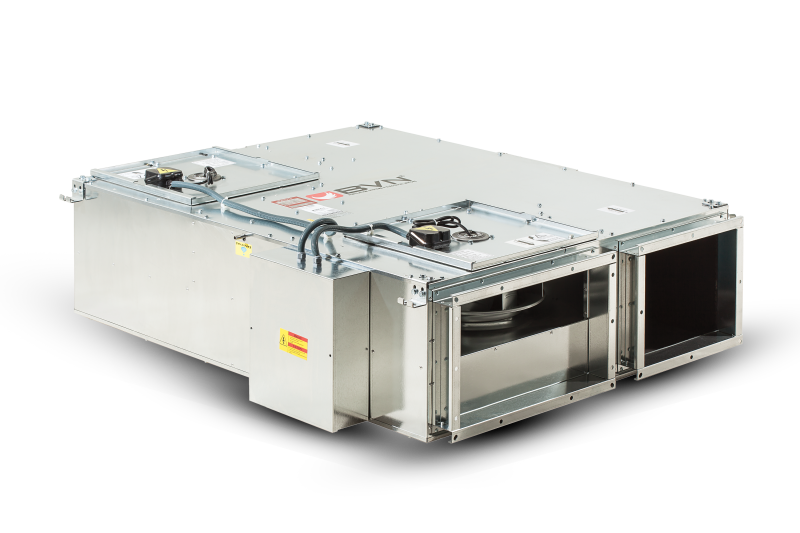
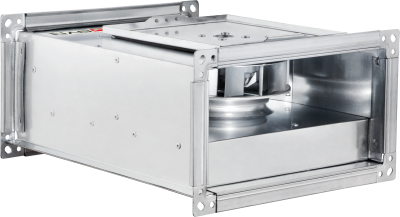
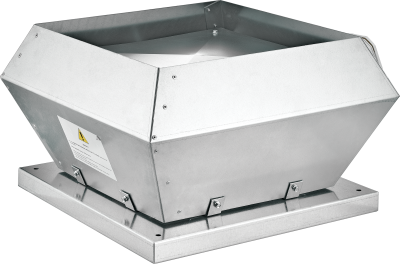
NB Group supplies EC fans in Georgia for various types of ventilation system. The range can include EC models of different constructions, including duct type units.
When choosing a specific model, NB Group specialists can help assess the required airflow, working pressure, duct type, system mode, control requirements and energy efficiency targets.
For BVN models whose full technical information is presented on the manufacturer's Cloudair platform, the official technical page can be reached from the NB Group category. NB Group branches are located in Tbilisi and Batumi.
Frequently asked questions
An EC fan is a fan equipped with an electronically commutated motor whose operating mode can be controlled electronically.
EC stands for Electronically Commutated.
Its main advantage is flexible control of the operating mode and speed, which in a suitable system can also help optimise energy consumption.
Real consumption depends on the specific model, the load, the control and the operating mode of the system.
Not always. Noise depends on the construction of the fan, the speed, the capacity, the installation and the whole ventilation system.
When ventilation runs for long periods, speed control is needed, variable capacity is required or the system has to be integrated with automation.
The choice depends on the operating mode of the system. If variable control and optimisation of energy consumption matter, EC technology is often more interesting; in a simple constant mode system another solution may be sufficient.
NB Group branches are located in Tbilisi and Batumi. Contact us for a consultation.