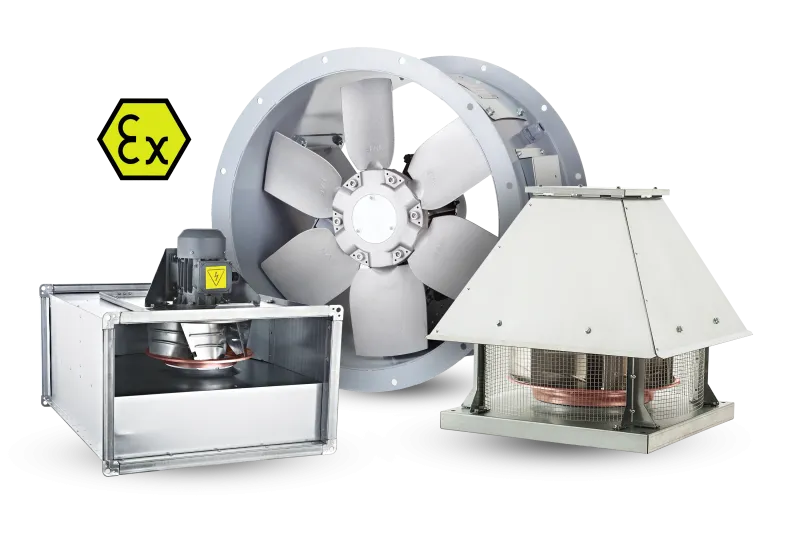
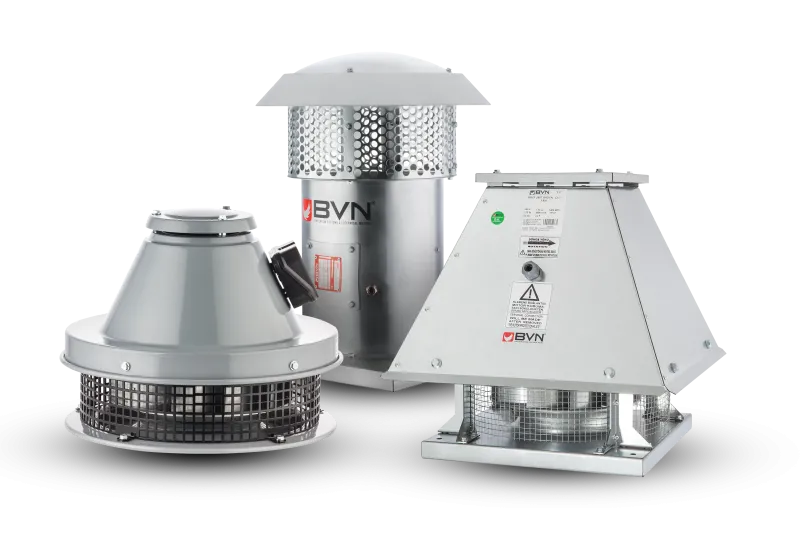
High Temperature Thermo Fans in Georgia
A thermo fan is used in systems where, alongside air movement, the working temperature is also an important factor. The models in the NB Group range are intended for technical and ventilation systems that require a more precise consideration of temperature conditions.
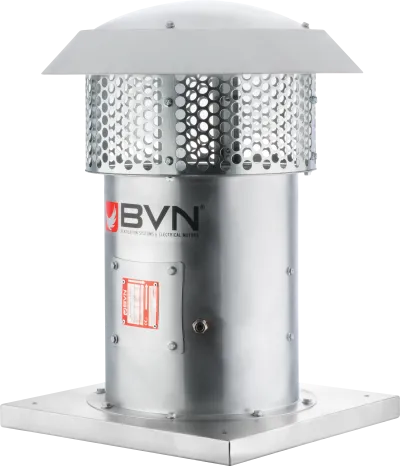
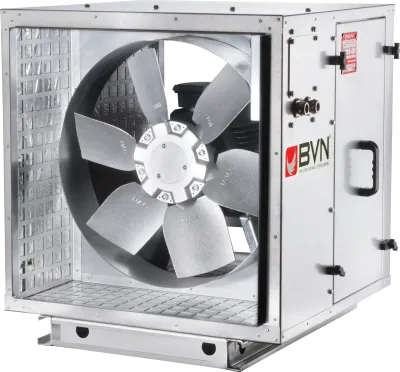
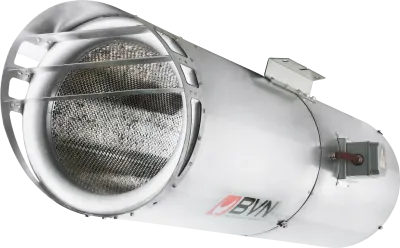
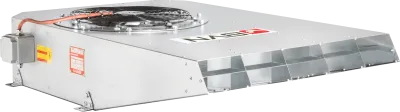
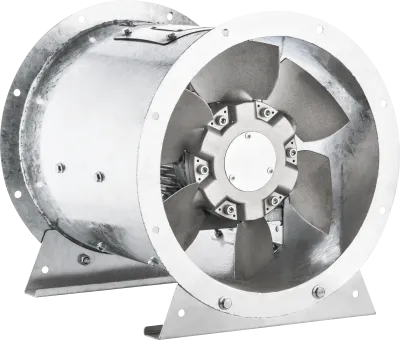
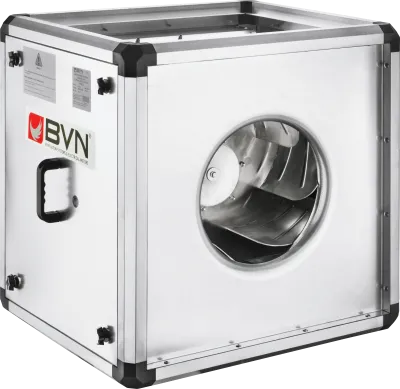
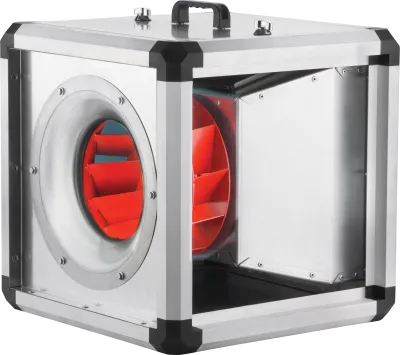
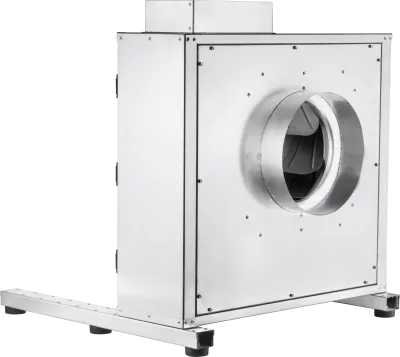
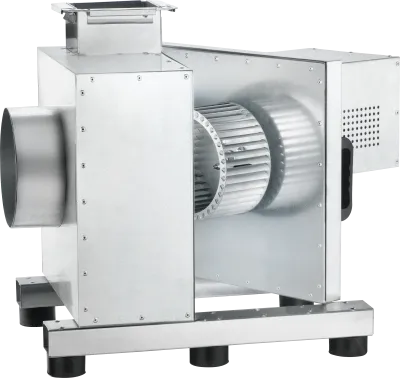
What is a thermo fan?
A thermo fan is a fan for which the temperature of the air or of the working environment is one of the main technical parameters during selection and use. It can be used where the air being moved is above normal room temperature, or where the system works as part of a process in which the temperature regime changes.
An important distinction: a thermo fan does not automatically mean a heating device. Its specific function has to be determined from the technical data and intended purpose of the particular model.
Where are thermo fans used?
In industrial spaces
During production processes the air temperature can differ significantly from a normal office or residential environment. In such cases a fan is required whose working conditions match the specific temperature.
In technical rooms
Some equipment gives off heat while operating, and warm air has to be removed from the space efficiently.
In commercial kitchens
In a kitchen extract system the air temperature, grease content and operating mode are interrelated factors. Using any thermo fan here is not automatically correct - the specific model has to be compatible with kitchen conditions.
In industrial extract systems
If the system has to remove high temperature air from a production process, the working temperature range of the fan is one of the first parameters to check.
How to select a thermo fan
When selecting a thermo fan the airflow, pressure, working temperature and the purpose of the specific system all have to be assessed at the same time.
1. What temperature of air is being moved?
This is one of the key questions for this category. You need to know:
- the normal working temperature of the air;
- the maximum possible temperature;
- whether the temperature is constant or changes periodically;
- how long the fan has to run at high temperature.
The permissible temperature range of a specific model must always be checked in the manufacturer's technical documentation.
2. What airflow is required?
The capacity of the fan has to match the air change required by the system.
The required m3/h depends on:
- the volume of the space;
- the type of process;
- the amount of heat generated;
- the purpose of extracting or supplying air;
- the operating mode of the system.
Higher capacity does not by itself mean a better result.
3. What resistance does the system create?
As in other duct systems, resistance here is created by duct length, bends, filters, grilles, dampers, transitions and other elements. It is therefore necessary to assess not only the maximum airflow, but also the required operating point.
4. How long does the system run?
It matters whether high temperature is present constantly, occurs only periodically, or appears as a short peak load. This affects the choice of suitable equipment.
How does a thermo fan differ from a conventional fan?
The main difference lies in the working temperature conditions.
| Parameter | Conventional fan | Thermo fan |
|---|---|---|
| Working environment | Standard ventilation conditions | System with special temperature requirements |
| Importance of temperature | Usually a standard range | One of the main selection criteria |
| Field of use | Residential, office, general ventilation | Technical, industrial or special processes |
| Basis for selection | Airflow, pressure, noise | The same plus working temperature and mode |
| Technical documentation | Important | Particularly important |
Replacing a conventional fan with a thermo model, or the other way round, should therefore not be done on the basis of size or capacity alone.
Are a thermo fan and an air heater the same thing?
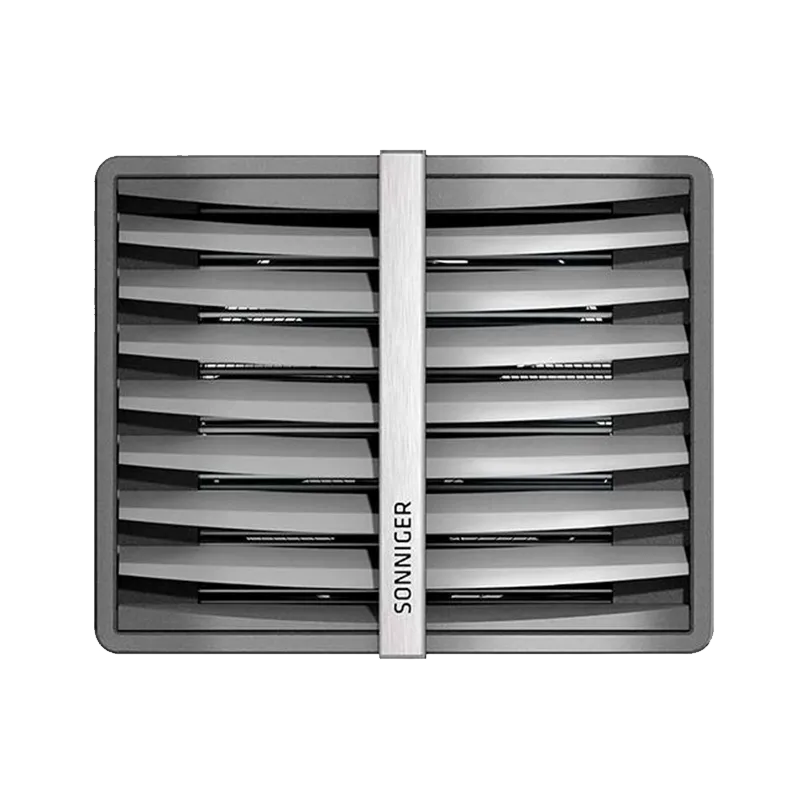
No. These two terms should not be confused. An air heater is normally used to heat a space and, together with the airflow, also delivers heat.
With a thermo fan the main focus can instead be on the unit being able to operate under specific temperature conditions or to move high temperature air. The specific difference should always be established from the intended purpose of the product.
Why is looking at the maximum temperature alone not enough?
Because temperature is only one parameter. For example, two models may both work at high temperature yet differ in airflow, pressure capability, motor position, running time, casing material, installation type and operating environment.
The phrase "works at high temperature" alone therefore does not give sufficient information for a specific system.
What are the most common mistakes when selecting a thermo fan?
Using a conventional fan in high temperature conditions
If the permissible working range of the unit does not match the actual conditions, this can become a source of technical problems.
Selecting by maximum temperature only
Alongside temperature, airflow, pressure and operating mode have to be assessed.
Confusing peak and constant temperature
A unit may have different requirements for short term and continuous high temperature operation.
Confusing a thermo fan with an air heater
These can be devices with different purposes, and they should not be chosen based on similarity of name.
Not paying attention to the whole system
A fan works together with ducts, filters, dampers and other components.
What information is needed to select a suitable model?
Before selecting a thermo fan it helps to know:
- what type of facility it will be used in;
- the purpose of the system;
- the temperature of the air being moved;
- the maximum possible temperature;
- whether the temperature is constant or periodic;
- the required airflow;
- the pressure conditions the fan has to work in;
- the duct network;
- how long the system runs;
- whether additional environmental or safety requirements apply.
With this data different thermo fans can be compared technically.
Thermo fans at NB Group
NB Group supplies thermo fans in Georgia for ventilation systems with special working conditions.
When selecting a specific model it is important to define in advance the required airflow, the working pressure of the system, the air temperature, the operating mode, the installation environment and the purpose of the facility.
For BVN products whose full technical data is placed on the manufacturer's Cloudair platform, the official page can be reached from the NB Group category. NB Group branches are located in Tbilisi and Batumi.
Frequently asked questions
A thermo fan is a fan used in ventilation systems where the temperature of the air or the working environment is an important technical parameter.
It can be used in industrial facilities, technical rooms, industrial extract systems and other environments where the air temperature goes beyond standard ventilation conditions.
No. An air heater mainly serves to heat a space, while for a thermo fan the main factor can be the ability to operate under specific temperature conditions.
You need to consider the working temperature, the required airflow, system resistance, running time and the conditions of the specific facility.
No. The airflow, pressure, operating mode and other technical parameters also have to be assessed.
Only if the technical documentation of the specific model allows such working conditions. Otherwise equipment intended for that purpose is required.
The full working temperature range and other limitations of a specific model must be checked in the manufacturer's official technical documentation.
NB Group branches are located in Tbilisi and Batumi. Contact us for a consultation.