Heat Recovery Units
A heat recovery unit uses part of the heat or energy in the outgoing air to pre-heat or pre-cool the incoming fresh air. Its main purpose is to provide continuous air change while reducing unnecessary heating and cooling energy losses.
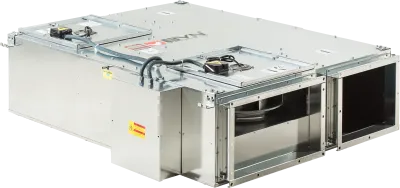
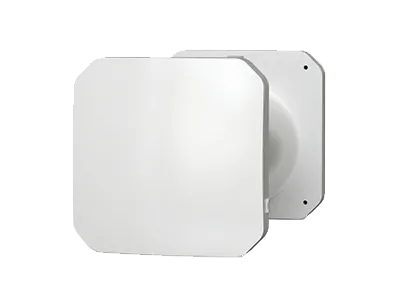
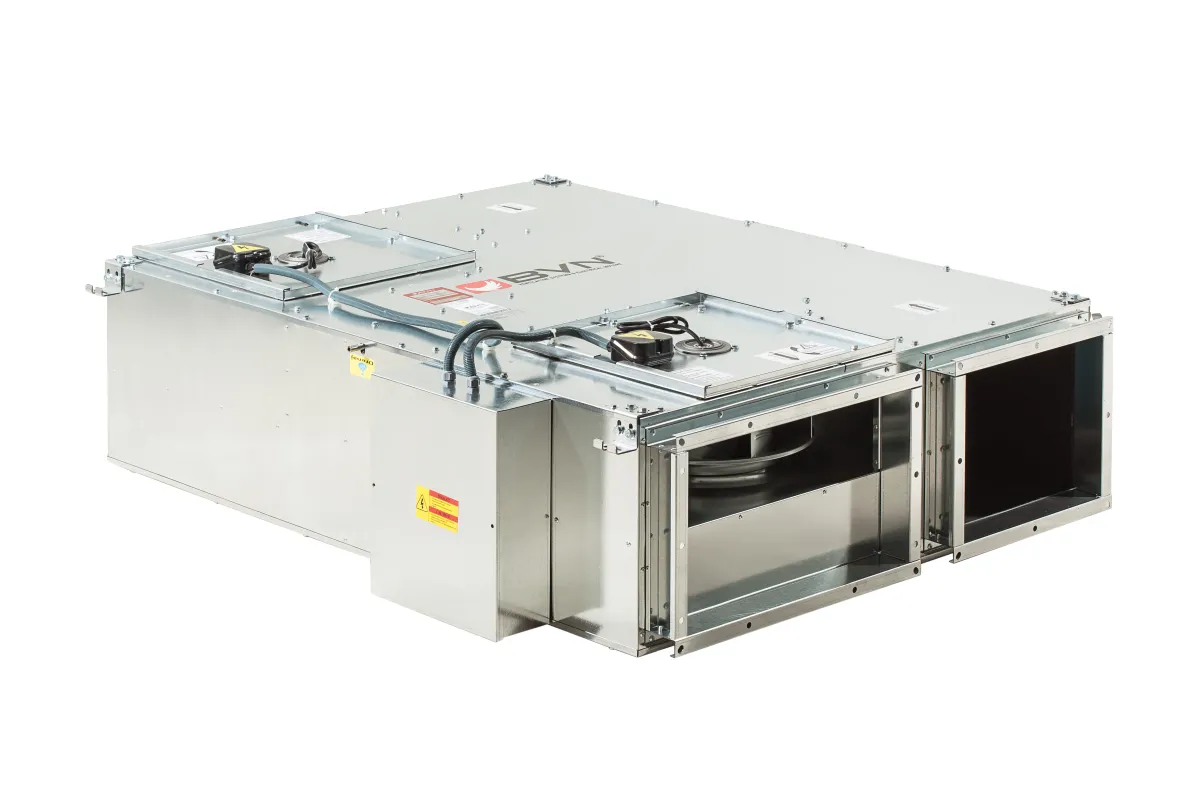
What is a heat recovery unit?
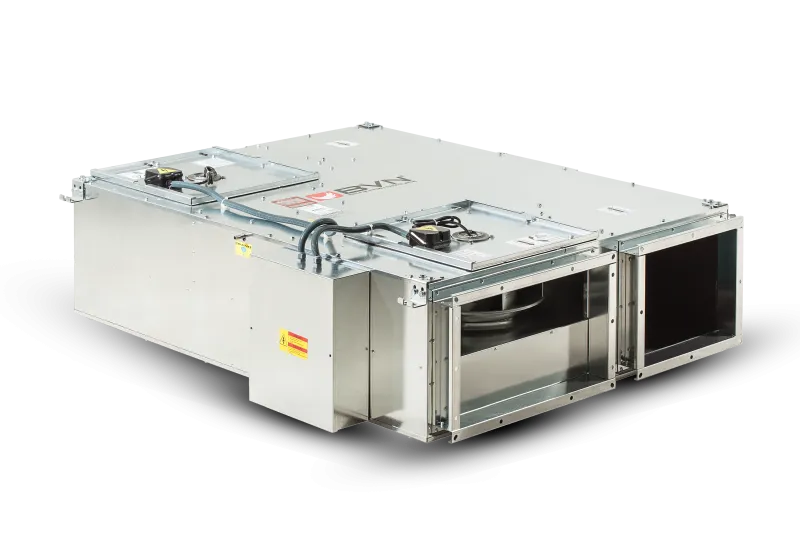
A heat recovery unit is a ventilation device that extracts stale indoor air and supplies fresh outdoor air at the same time, transferring part of the energy from the outgoing air to the incoming air.
Put simply, in winter warm air leaves the building. The heat recovery unit uses part of the heat in that air to pre-heat the cold air coming in from outside. In summer, under the right conditions, the process can work the other way round - the relatively cool outgoing air helps reduce the load of the incoming warm air.
The two air streams should not mix directly; the energy is transferred through a heat exchanger.
Why is a heat recovery unit needed?
In modern buildings energy efficiency often means good thermal insulation, sealed windows and reduced uncontrolled air leakage. This is good for retaining energy, but natural air change can also decrease.
As a result, carbon dioxide, humidity, odours and various household pollutants can build up indoors. The task of a heat recovery unit is to provide controlled fresh air supply and extract used air while retaining part of the energy.
How does a heat recovery unit work?
During recovery two air streams move at the same time: the supply air enters the building from outside, and the extract air leaves the indoor space.
Inside the unit a heat exchanger allows these streams to transfer energy to each other without normally mixing directly. For example, in winter warm air from the room enters the unit, part of its heat is passed to the heat exchanger, the cold air coming in from outside picks up part of that energy, and partly pre-warmed fresh air enters the building.
Does a heat recovery unit heat the air?
The main function of a heat recovery unit is not to heat air on its own. It uses energy that already exists and would otherwise be lost with the outgoing air.
If it is very cold outside, the air entering after the heat recovery unit may still be below the temperature desired for the room. Some systems additionally use a pre-heater, a post-heater or other HVAC components. A heat recovery unit should therefore not be treated as a complete replacement for a heating system.
What is the difference between a heat recovery unit and ordinary ventilation?
A conventional extract system removes air, but the heating or cooling energy is lost with it. A heat recovery unit tries to return part of that energy.
| Parameter | Conventional extract system | Heat recovery ventilation |
|---|---|---|
| Extraction of used air | Yes | Yes |
| Controlled fresh air supply | Not always | Yes |
| Heat recovery | No | Yes |
| Filtration | Depends on the system | Often part of the system |
| Energy efficiency | Relatively low | Can be higher |
The main advantage of a heat recovery unit is exactly this combination of controlled air change and energy recovery.
Where is a heat recovery unit used?
In a private house
In a well insulated house a heat recovery unit can become the main part of continuous air change. It helps supply fresh air to bedrooms, manage humidity, extract air from kitchens and sanitary spaces, and reduce heating energy losses.
In an apartment
In apartments both centralised and single-room solutions can be considered. The choice depends on the floor area, the possibility of installing ductwork, the number of rooms and the conditions for using the facade.
In an office
As the number of people grows, so does the need for fresh air. When selecting a unit for an office, the number of occupants, working hours, noise level, control options and filtration are particularly important.
In hotels and commercial spaces
Different areas of a hotel have different requirements, so a heat recovery system has to be considered together with the overall HVAC design of the building. Shops and showrooms often have long opening hours, where energy efficient air change also becomes part of the operating cost.
How to select a heat recovery unit
A heat recovery unit should be selected according to the required airflow, heat recovery efficiency, system resistance, noise and the requirements of the specific building.
1. How much fresh air is needed?
This is one of the main parameters. The required amount of air depends on the number of people, the purpose of the space, the room volume, the applicable technical requirements and the air quality targets. Two offices of the same size can have a completely different number of occupants.
2. What does heat recovery efficiency mean?
Heat recovery efficiency shows how effectively the unit can use the energy of the outgoing air for the incoming air. However, a high percentage stated in a catalogue does not automatically mean the same result in a real building. Efficiency is affected by outdoor and indoor temperature, the air flows, system balance, filter condition, operating mode and installation.
3. How important is the balance of the air flows?
Very important. If significantly more air leaves the building than enters it, negative pressure can build up inside. An unbalanced system can cause strong air infiltration through doors, unwanted air leakage, energy losses and inefficient ventilation.
Why do filters matter?
A heat recovery unit brings in air from outside, so filtration is one of the important parts of the system. The purpose of a filter is to capture certain particles before the air reaches the building. A heavily contaminated filter increases system resistance and can also reduce airflow.
Is a heat recovery unit the same as an air conditioner?
No. A heat recovery unit and an air conditioner perform different primary functions.
| Parameter | Heat recovery unit | Air conditioner |
|---|---|---|
| Fresh outdoor air supply | Main function | Usually not |
| Extraction of used air | Yes | No |
| Heat recovery | Yes | Not in this sense |
| Active cooling of the space | Not the main function | Yes |
In a good HVAC system these two devices can complement each other. A heat recovery unit works on air change, an air conditioner mainly on temperature control.
Can a heat recovery unit replace opening a window?
The purpose of a heat recovery unit is precisely controlled mechanical air change. With a properly set up system there is no longer a need to keep opening a window to get fresh air. This is particularly practical in winter, in hot summers, on a noisy street and in dusty surroundings.
Centralised or single-room heat recovery unit?
With a centralised system one unit can serve several rooms through ductwork. It is often used in new construction, private houses, offices and larger projects. A single-space unit can be used for one room or a specific zone where installing full ductwork is difficult.
What are the most common mistakes when selecting a heat recovery unit?
Selecting the unit by floor area only
The number of people and the way the space is used can matter more than square metres alone.
Selecting a unit that is too small or too large
If the unit cannot provide the required airflow, air change will be insufficient. Excess capacity is not good either - it can increase cost, noise and unnecessary energy consumption.
Ignoring noise
Noise is particularly important in a bedroom, office or hotel.
Forgetting filter maintenance
Contaminated filters directly affect airflow and system performance.
Poor duct design and an unbalanced system
Even a good heat recovery unit cannot work optimally if the duct network is poorly planned or the supply and extract ratio is wrong.
What information is needed to select a heat recovery unit?
It helps to know in advance:
- the type of facility;
- the total floor area;
- the ceiling height;
- the number of rooms;
- the expected number of people;
- which spaces the air should be extracted from;
- where fresh air should be supplied;
- whether ductwork can be installed;
- how important a low noise level is;
- the operating hours;
- the possible installation location;
- whether integration with automation is required.
With this data different heat recovery units can be compared according to real operating conditions.
Heat recovery units at NB Group
NB Group supplies heat recovery units in Georgia for residential, office, commercial and other ventilation systems.
When selecting a suitable model it is possible to assess the required airflow, the load of the facility, heat recovery characteristics, filtration, noise, system resistance, control options and installation conditions.
For BVN products whose full technical data is presented on the manufacturer's Cloudair platform, the official technical page can be reached from the NB Group category. NB Group branches are located in Tbilisi and Batumi.
Frequently asked questions
A heat recovery unit is a ventilation device that uses part of the energy in the outgoing air to pre-heat or pre-cool the incoming fresh air.
It is used to supply fresh air continuously and extract used air from a building, with the possibility of reducing energy losses.
Heating the room is not its main function. A heat recovery unit recovers part of the heat from the outgoing air and can help reduce the load on the heating system.
No. A heat recovery unit provides air change and heat recovery, while the main function of an air conditioner is controlling the temperature of the space.
You need to consider the required airflow, the number of people, the volume of the space, heat recovery efficiency, noise, filtration and installation conditions.
A properly set up system supplies fresh air mechanically and in a controlled way, so frequent window opening becomes less necessary for continuous air change.
Heat recovery can help reduce the energy load on heating and cooling systems, although the real result depends on the building, the climate, the equipment and the operating mode of the system.
NB Group branches are located in Tbilisi and Batumi. Contact us for a consultation.