Air Dampers
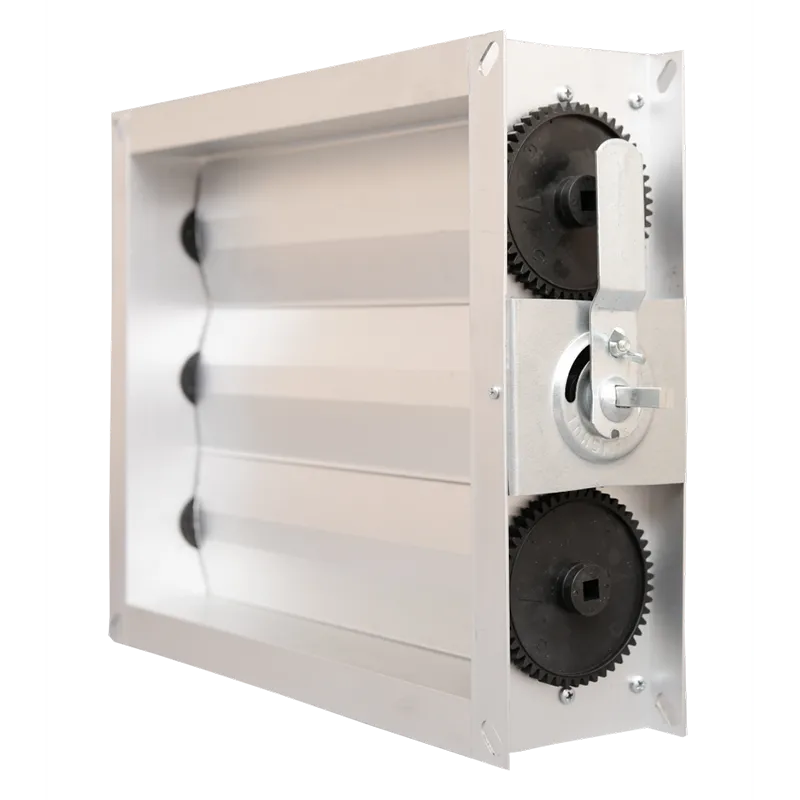
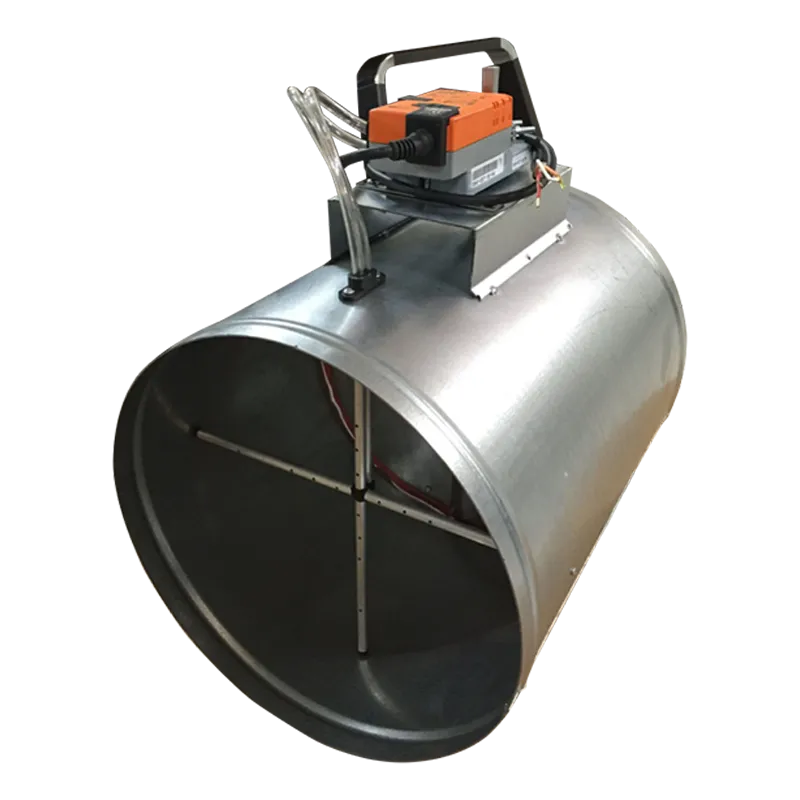
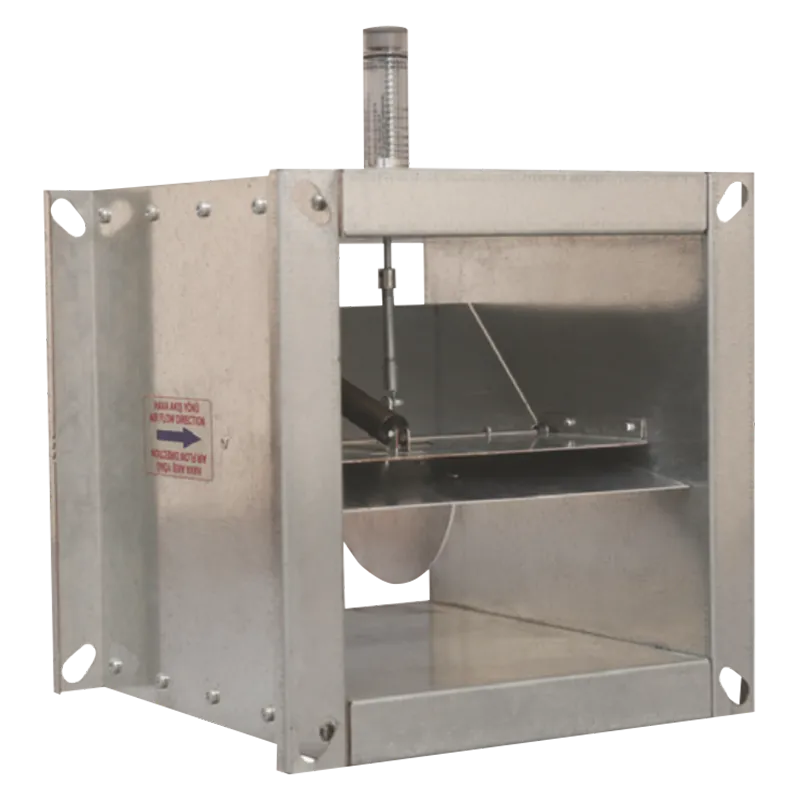
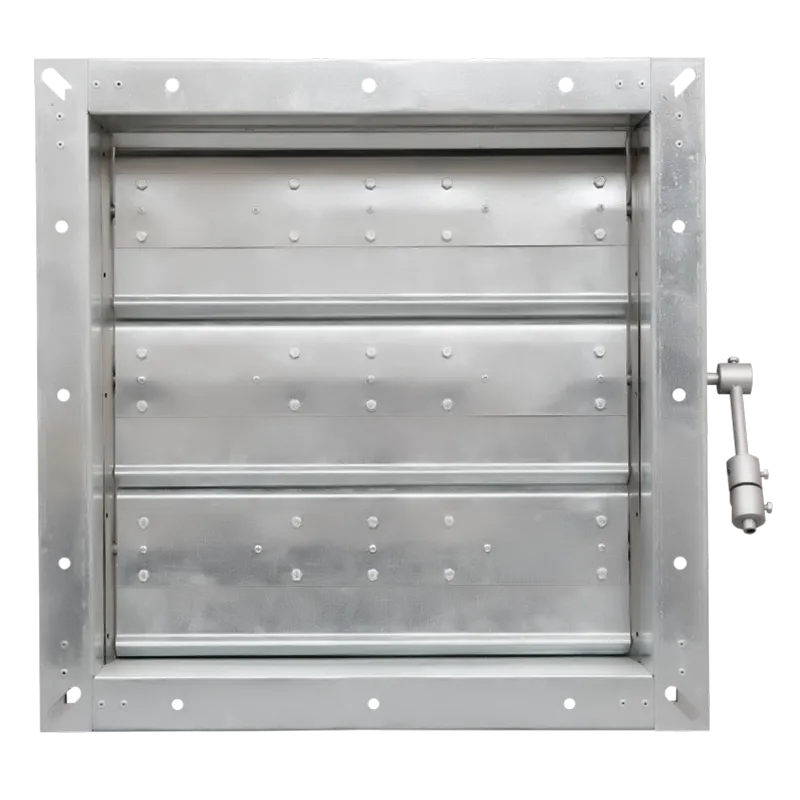
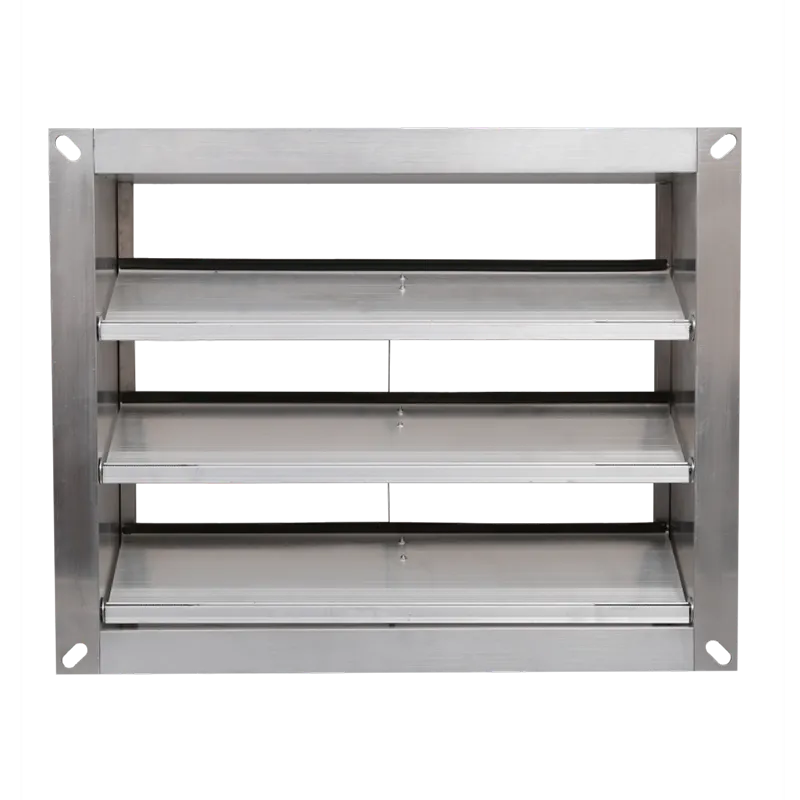
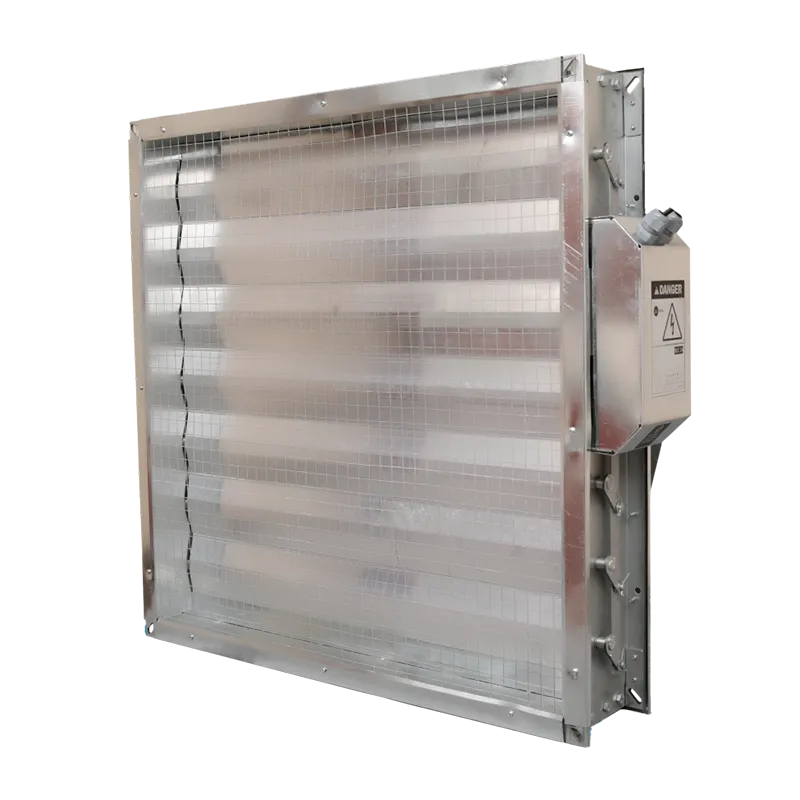
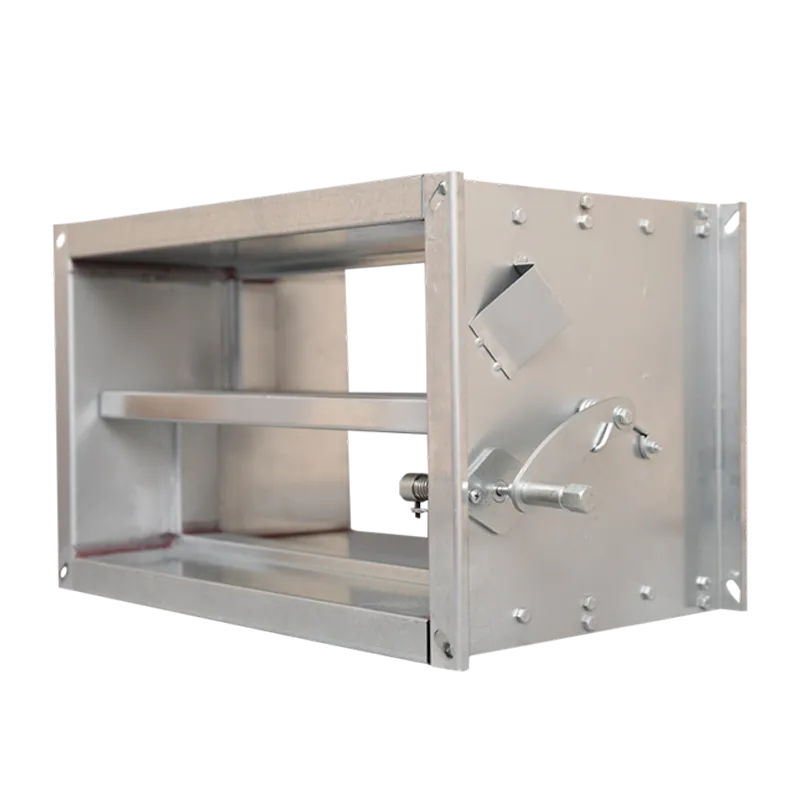
A damper is a component of a ventilation and HVAC system used to regulate, restrict or automatically control the airflow in a duct, or to perform a specific safety function. The NB Group category includes round and rectangular air flow regulators, electric and mechanical regulators, a pressure relief valve, a backdraft damper, and smoke and fire dampers.
What is a ventilation damper?
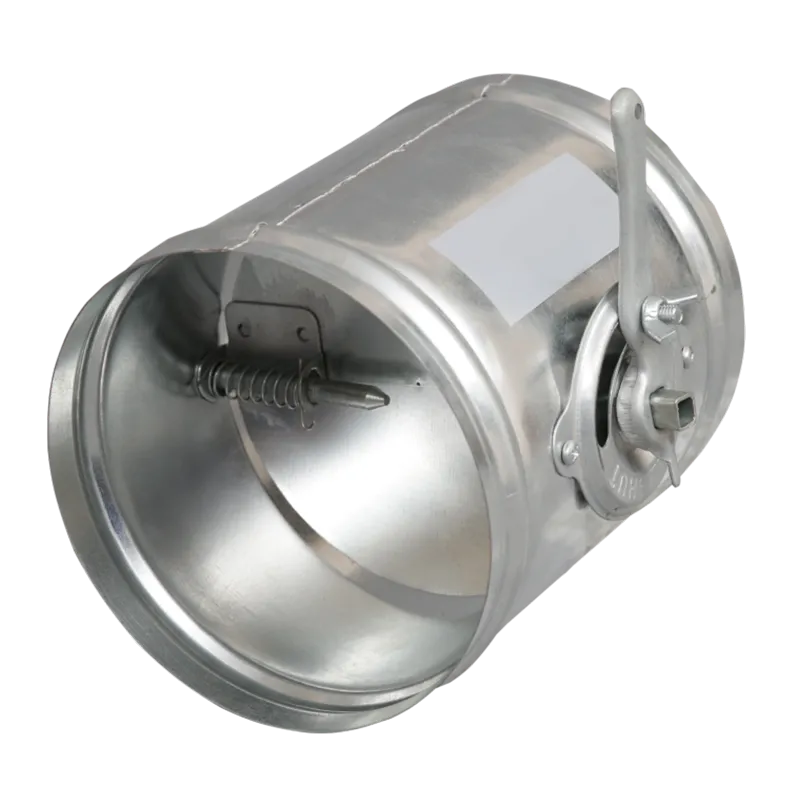
A ventilation damper is installed in ductwork and acts on the airflow by changing the position of its blades or through a special mechanism.
Depending on the type, its function can be regulating the amount of air, balancing the system, maintaining a constant air flow rate, automatic control of variable airflow, stopping backflow, relieving excess pressure, managing smoke evacuation and limiting the spread of fire. "Damper" therefore does not mean one specific product - first it has to be defined what function is required in the system.
What types of damper are available at NB Group?
| Model | Purpose |
|---|---|
| HCHD | Round air flow regulator |
| HDHD | Rectangular air flow regulator |
| HVAV | Electric air flow regulator |
| HCAV | Mechanical air flow regulator |
| HBTD | Pressure relief valve |
| HDGD | Backdraft damper |
| HDTD | Smoke damper |
| HYD | Fire damper |
These models are not direct replacements for one another - they perform different technical tasks.
What is an air flow regulator used for?
An air flow regulator is used to adjust the amount of air passing through a duct and to balance the ventilation system. The NB Group HCHD is used in round ducts and is controlled manually as standard. HDHD is intended for rectangular ducts, with blades that move in opposite directions.
What is a VAV electric regulator?
VAV (Variable Air Volume) is used when the amount of air required in a specific zone is not constant and has to change automatically. The NB Group HVAV is a round variable air volume regulator. It is used both in supply and extract ducts. A VAV solution is particularly interesting where different rooms or zones have different air demands at different times.
What is a mechanical constant air volume regulator?
The NB Group HCAV is a mechanical Constant Air Volume type regulator, available in both rectangular and round versions. It works on a mechanical spring mechanism and does not require an electric actuator or electrical connection.
VAV and CAV type regulators are not the same: with VAV the air flow rate can change under automatic electric control, while the purpose of CAV is to maintain a defined flow rate mechanically.
What is a backdraft damper?
A backdraft damper allows air to move only in a defined direction and restricts backflow when the flow stops. The NB Group HDGD is a rectangular backdraft damper. Its blades open while air is flowing and close when the flow stops. A backdraft damper is not a replacement for an ordinary air flow regulator - its main function is controlling backflow.
What is a pressure relief valve used for?
A pressure relief valve protects the system from a build up of excess pressure. In the NB Group HBTD model the blades open when the pressure in the system exceeds a defined limit, allowing excess air to be released and the safety of the system to be maintained.
What is the difference between a fire damper and a smoke damper?
This is a particularly important distinction.
The purpose of a fire damper is to limit the spread of fire through ventilation ducts. The NB Group HYD is available in round and rectangular versions, and its protective fuse is activated at 72 degrees C.
A smoke damper, on the other hand, is used for the controlled evacuation of smoke and toxic gases during a fire. The blades of the NB Group HDTD model are closed in normal conditions and open in the relevant zone in the event of fire to remove smoke. A fire damper and a smoke damper are not interchangeable.
Manually controlled or automatic damper?
A manually controlled damper is practical when the air flow rate has to be set once and then mainly stay unchanged. HCHD and HDHD are presented with manual adjustment.
An automatic damper is used when the position has to change according to air demand, from an automation system or according to a special safety scenario. HVAV is oriented towards automatic variable air volume control.
What are the most common mistakes when selecting a damper?
Treating all dampers as the same
An air flow regulator, a backdraft damper, a fire damper and a smoke damper perform completely different tasks.
Selecting by duct size only
Alongside size, the air flow rate, pressure and control principle have to be assessed.
Choosing a manual damper where automatic control is required
A system with variable air demand may require VAV or another automatic solution.
Equating a fire safety component with an ordinary damper
Fire and smoke dampers have a specific safety function and their selection must be based on the relevant requirements of the project.
What information is needed to select a damper?
Before selection it helps to know:
- what function is required - regulation, backflow control, pressure relief or a safety function;
- whether the duct is round or rectangular;
- the duct size;
- the required air flow rate;
- the working pressure of the system;
- whether manual or automatic control is needed;
- whether an actuator is required;
- whether the system is connected to building automation;
- whether a special fire or smoke management requirement applies in the design.
For a valve with a critical safety function, the conformity of the specific model must be verified according to the project, the certification and the manufacturer's technical documentation.
Dampers at NB Group
NB Group supplies dampers and air flow regulators for ventilation and HVAC systems. The category includes the HCHD, HDHD, HVAV, HCAV, HBTD, HDGD, HDTD and HYD models - from ordinary air balancing to special fire and smoke management solutions.
NB Group has branches in Tbilisi and Batumi, and technical consultation is available when selecting a suitable damper for a specific system.
Frequently asked questions
A damper is a component placed in ductwork which, depending on its type, is used for airflow regulation, automatic control, stopping backflow or a safety function.
HCHD is used in round ducts, while HDHD is intended for rectangular ducts.
VAV is a variable air volume control solution. The NB Group HVAV model is designed for automatic control of the airflow.
A backdraft damper closes when the airflow stops and restricts air returning in the opposite direction.
A fire damper serves to limit the spread of fire into other zones, while a smoke damper provides the controlled evacuation of smoke and toxic gases during a fire.
Yes. Several NB Group regulators provide for an actuator or automatic control, and HVAV is designed specifically for automatic variable air volume control.
First its function has to be defined, then the duct shape and size, the air flow rate, the working pressure and the required type of control.
NB Group branches are located in Tbilisi and Batumi. Contact us for a consultation.