Duct Fans in Georgia
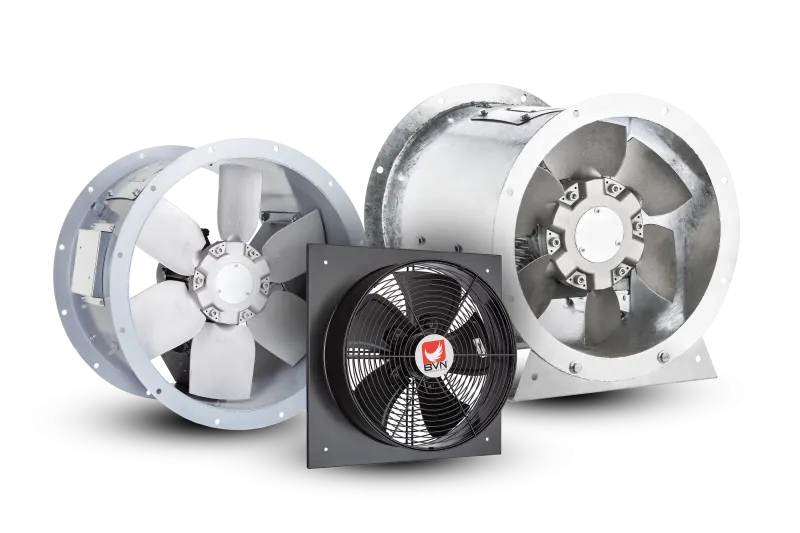
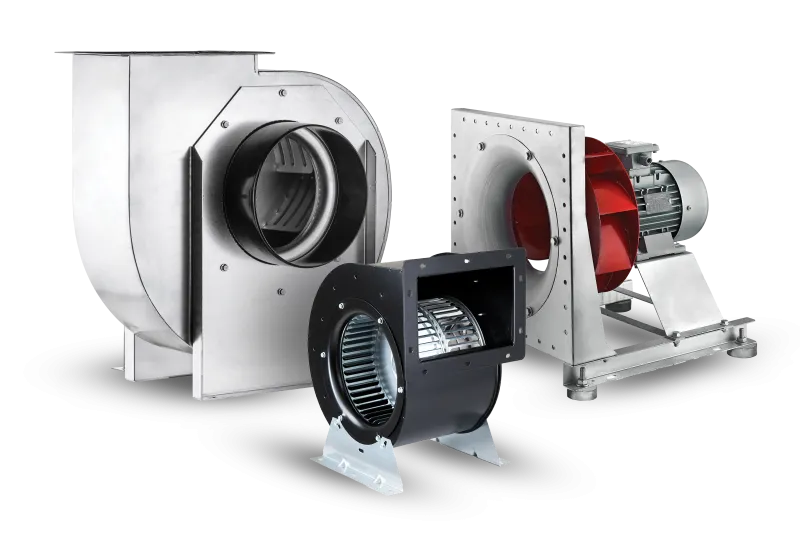
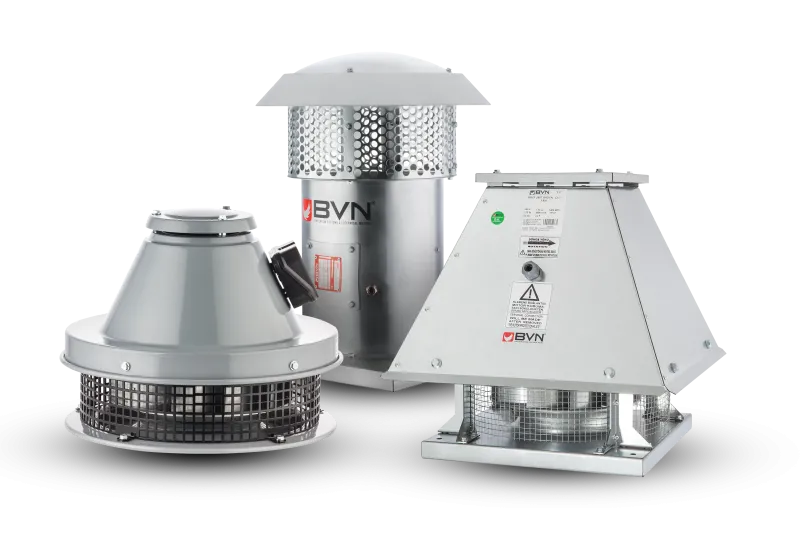
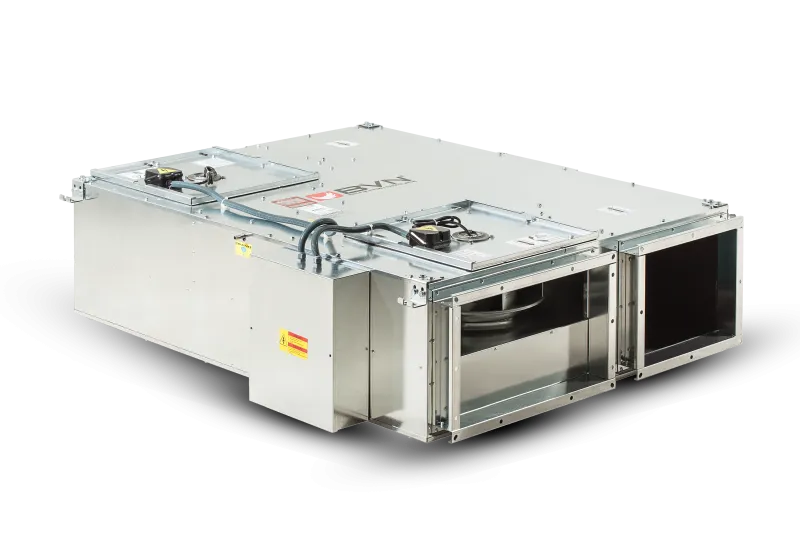
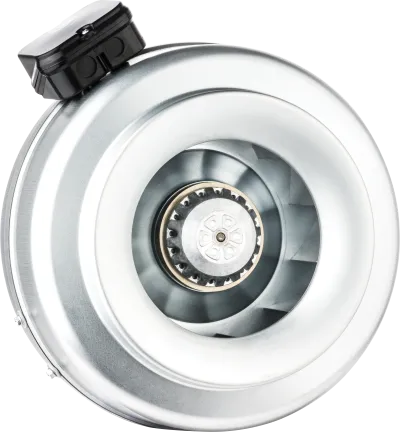
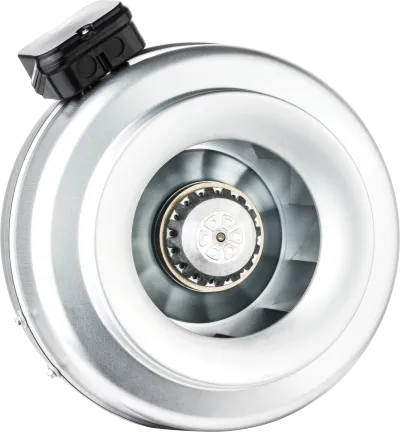
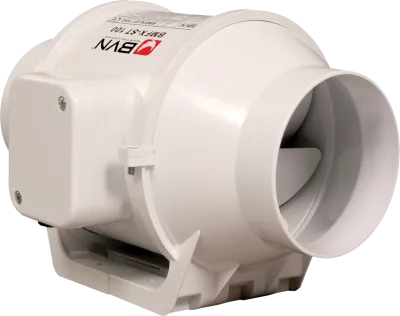
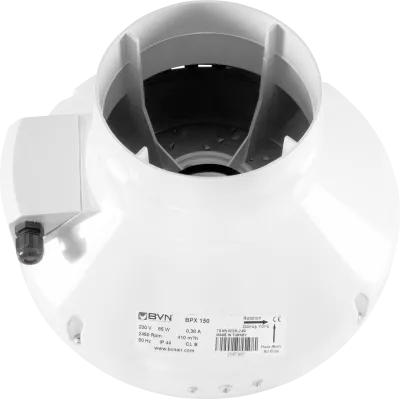
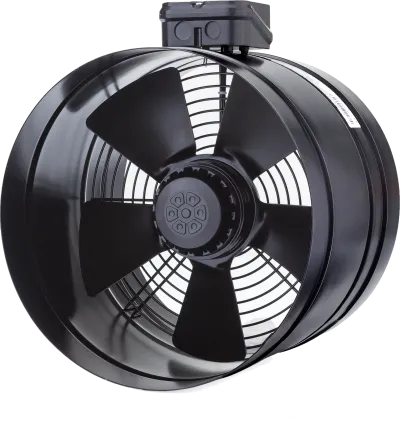
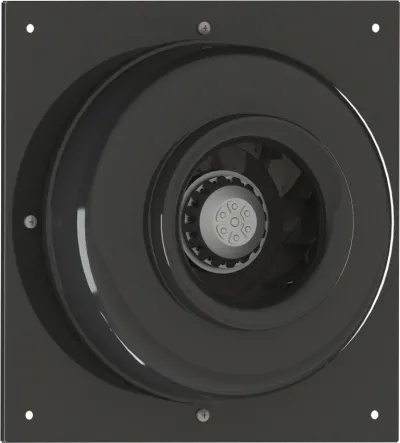
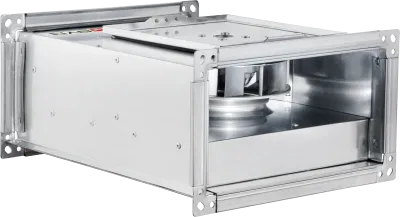
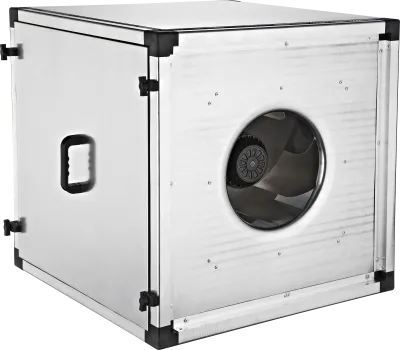
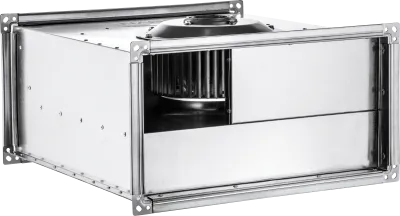
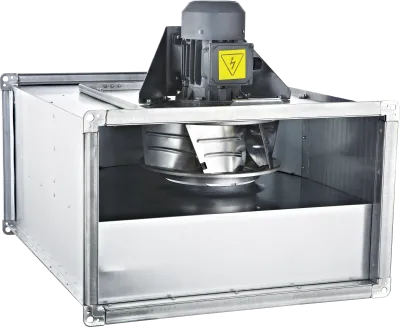
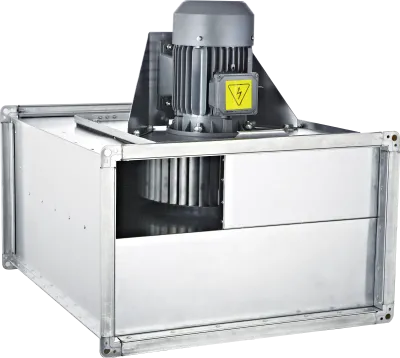
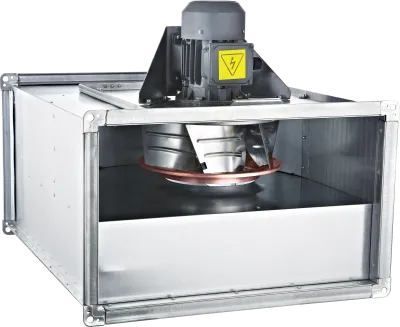
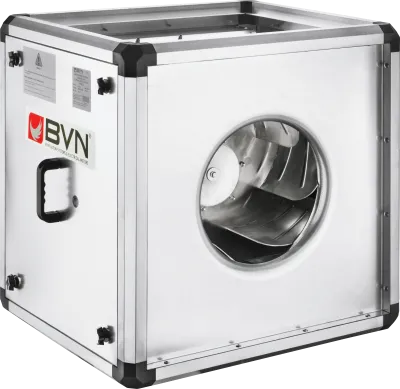
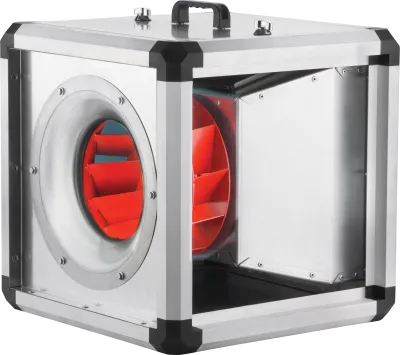
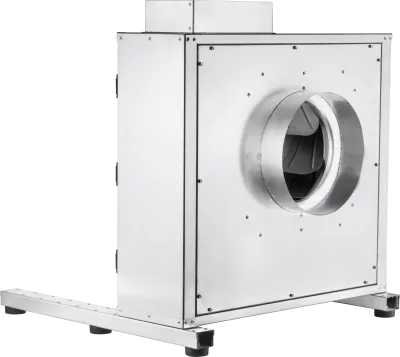
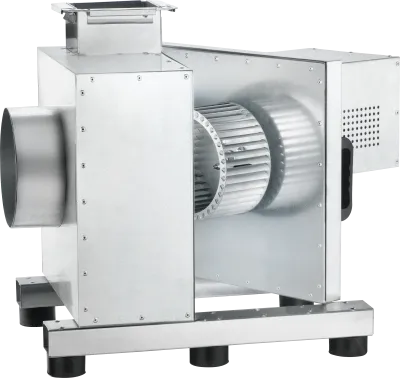
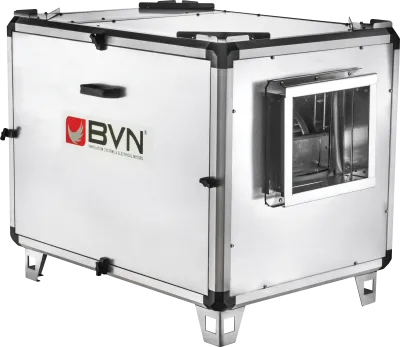
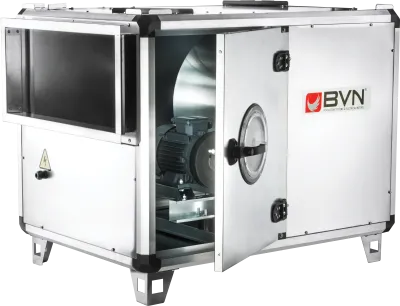
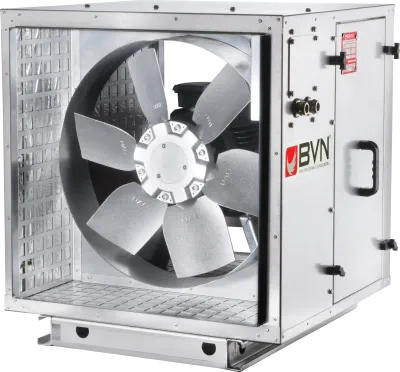
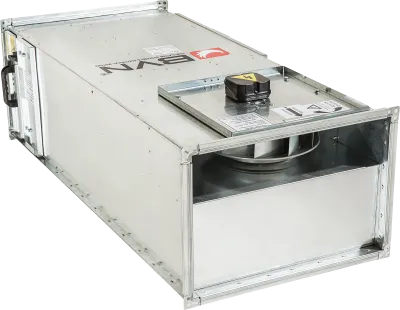
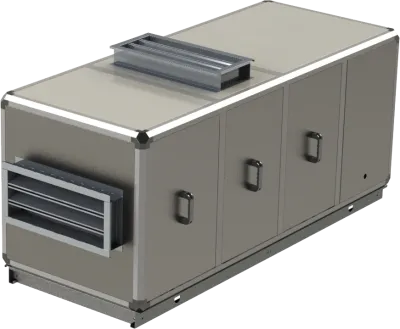
A duct fan is installed inside the ductwork and is used to supply or extract air. NB Group offers duct fans for round and rectangular ducts, models with EC motors, kitchen exhaust units and fans built for special operating conditions.
What is a duct fan and when is it used?
A duct fan creates the required air movement inside a ventilation duct system. It is used when air has to be moved from one space to another, or out of the building, through ventilation ducts.
Duct fans are used in:
- offices;
- shops and retail spaces;
- hotels;
- restaurants and professional kitchens;
- warehouses;
- industrial facilities;
- residential buildings.
Choosing the right model for a specific space depends on the parameters of the ventilation system, not only on the type of building.
Round or rectangular duct fan?
The first difference is the shape of the ventilation duct.
| System | Suitable type |
|---|---|
| Round duct | Round duct fan |
| Rectangular duct | Rectangular duct fan |
| Variable operating mode and energy management | Model with an EC motor |
| Professional kitchen exhaust system | Kitchen fan of the corresponding type |
| Special or explosive atmosphere | Model with the required safety class |
The NB Group range includes round models such as BDTX, BPX, BMFX and others, as well as rectangular BDKF, BSKF and further fans for various applications.
How to select a duct fan
Selecting a duct fan requires evaluating several parameters at the same time. Looking only at the fan diameter or the maximum m3/h figure is not enough.
1. How much air needs to be moved?
Airflow is usually expressed in m3/h and shows what volume of air the fan can move.
The required figure depends on:
- the volume of the space;
- its purpose;
- the number of people;
- the required air change rate;
- the purpose of the ventilation system.
Higher capacity does not automatically mean a better choice. The goal is to select a fan that provides the air change the specific system actually needs.
2. What resistance does the ventilation network create?
Air moving inside ductwork meets resistance.
Resistance is increased by:
- long ducts;
- bends;
- changes in diameter or shape;
- filters;
- grilles;
- dampers;
- other system components.
This is why two fans of the same size can perform differently in a real system.
3. How important is noise?
Noise requirements change depending on the space.
In an office, hotel or residential space a low noise level is particularly important.
In an industrial or technical space the priority may shift more towards capacity and the operating conditions of the system.
4. In what conditions will the fan operate?
Before selection it is necessary to know:
- the temperature of the air passing through the system;
- whether the air contains grease or other contaminants;
- how long the unit will run;
- whether speed control is required;
- whether the environment has special safety requirements.
Why should a fan not be selected by duct diameter alone?
Because the same diameter does not mean the same operating capability.
For example, two 200 mm duct fans can differ in:
- airflow;
- pressure capability;
- noise level;
- motor type;
- energy consumption;
- operating temperature;
- intended application.
So the principle "I have a 200 mm duct and any 200 mm fan will do" is technically insufficient.
What does static pressure mean?
Static pressure is one of the indicators showing how well a fan can overcome the resistance present in a ventilation system.
If the system is short and simple, the resistance can be relatively low.
If the network contains many bends, filters, grilles or other components, moving the air becomes harder and pressure capability carries more weight when selecting the fan.
This is why evaluating a fan by maximum airflow alone is not sufficient.
EC or standard duct fan?
An EC fan is particularly interesting when flexible control of the operating mode and speed is required, together with optimisation of energy consumption.
An EC type can be considered if:
- the ventilation system runs for long periods;
- speed control is needed;
- different capacities are required at different times;
- energy efficiency plays an important role.
However, an EC motor is not mandatory for every project. The choice should be based on the requirements of the specific system.
The NB Group range includes, for example, the BDTX-EC and BDKF-EC models.
Which duct fan may be needed for different facilities?
Office
When selecting a fan for an office, noise control matters alongside air change, especially when the unit is installed close to the working area.
Restaurant and professional kitchen
In a kitchen exhaust system the air temperature, grease content, duct network and the operating conditions of the extraction system all need to be considered.
For a professional kitchen it is therefore better to choose a model designed specifically for that application.
The NB Group range also includes BKEF, BKEF-T, BKEF-R, BKEF-RH and BHV-P type kitchen exhaust solutions.
Warehouse or large commercial space
Here it becomes important to move large volumes of air efficiently and to stay compatible with the overall ventilation system.
Industrial environment
An industrial space may bring additional requirements regarding operating temperature, continuous running or safety.
An explosive atmosphere requires equipment intended for that purpose. In the NB Group range this direction is represented by models such as BDKF-R EX.
What are the most common mistakes when selecting a duct fan?
Selecting by diameter only
Physical compatibility with the duct matters, but it does not mean full technical suitability.
Comparing only the maximum m3/h figure
In a real ventilation network the system resistance has to be taken into account as well.
Ignoring noise
A powerful fan may work perfectly well technically and still create unwanted noise in a residential, office or hotel environment.
Not considering the operating environment
The same type of unit cannot always be used for normal air, hot air, kitchen extract and special industrial environments.
Selecting based on a single component
A fan has to be assessed together with the whole ventilation system - ducts, filters, grilles, dampers and other elements.
What information is needed to select the right model?
If you are not sure which duct fan you need, it helps to prepare the following data in advance:
- the purpose of the space;
- the required airflow, if already calculated;
- the duct shape;
- the duct size or diameter;
- the approximate length of the duct network;
- the main bends and system components;
- the working air temperature;
- the noise requirement;
- whether speed control is needed;
- whether special operating or safety conditions apply.
With this information it becomes possible to compare different models technically.
Duct fans at NB Group
NB Group supplies duct fans of various types and applications in Georgia.
The category includes, among others:
- round duct fans;
- rectangular duct fans;
- models with EC motors;
- kitchen exhaust fans;
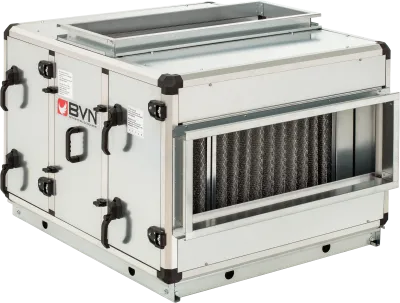
- models equipped with filters;
- fans for special applications.
Full technical data for specific BVN models is available on the manufacturer's Cloudair platform, where the characteristics of the relevant model can be reviewed in detail.
NB Group branches are located in Tbilisi and Batumi, and technical consultation is available when selecting the appropriate equipment.
Frequently asked questions
A duct fan is used to supply or extract air within a ventilation duct.
You need to consider the required airflow, system resistance, duct shape and size, noise, operating temperature and the application environment.
No. Diameter is only one parameter. Fans of the same size can have significantly different operating capabilities.
No. Fan capacity has to match the requirements of the specific ventilation system.
The main difference is the shape of the duct the unit is installed in. Specific models also differ in capacity, motor and intended application.
Yes, with a model intended for that purpose. A professional kitchen requires the air temperature, grease content and other operating conditions of the exhaust system to be taken into account.
BVN products in the NB Group category link to the manufacturer's Cloudair platform, where technical information for specific models is available.
NB Group branches are located in Tbilisi and Batumi. Contact us for a consultation.