Mounting Profiles for HVAC Duct Systems in Georgia
Mounting profiles are used in ventilation and HVAC systems to fix ducts, pipes, equipment and other engineering components. Their main function is to create a solid supporting structure, distribute the load correctly and maintain the stability of the system.
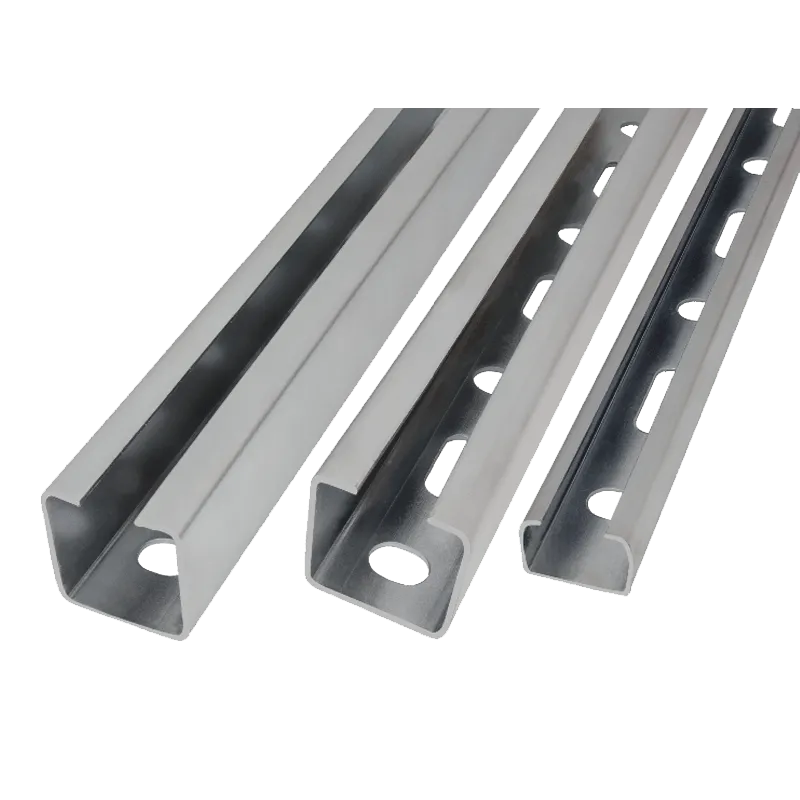
What are mounting profiles used for?
A mounting profile creates the supporting structure on which the various elements of a ventilation system are fixed.
Profiles can be used:
- to fix round ducts;
- for rectangular ventilation ducts;
- as a support for ventilation units;
- for installing pipes and engineering services;
- to build suspension systems;
- to fix several components on one structure.
A large ventilation system often combines several different types of profile and fixing element.
What types of profile are used in ventilation systems?
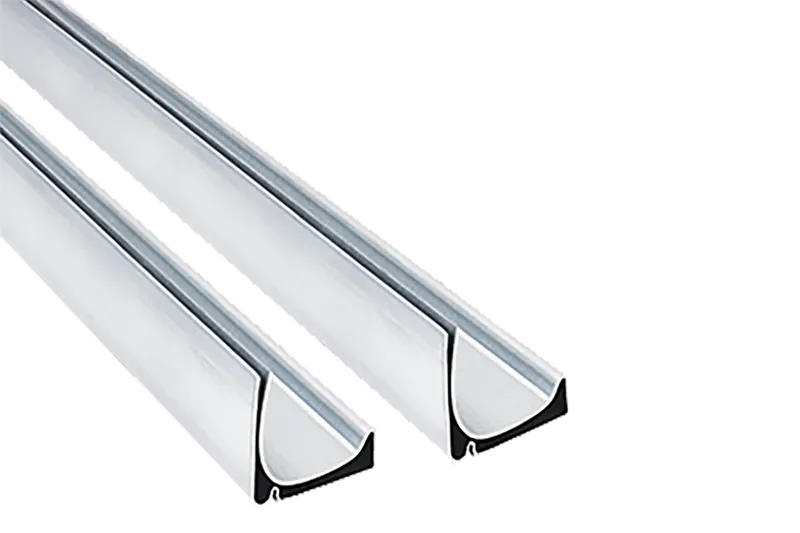
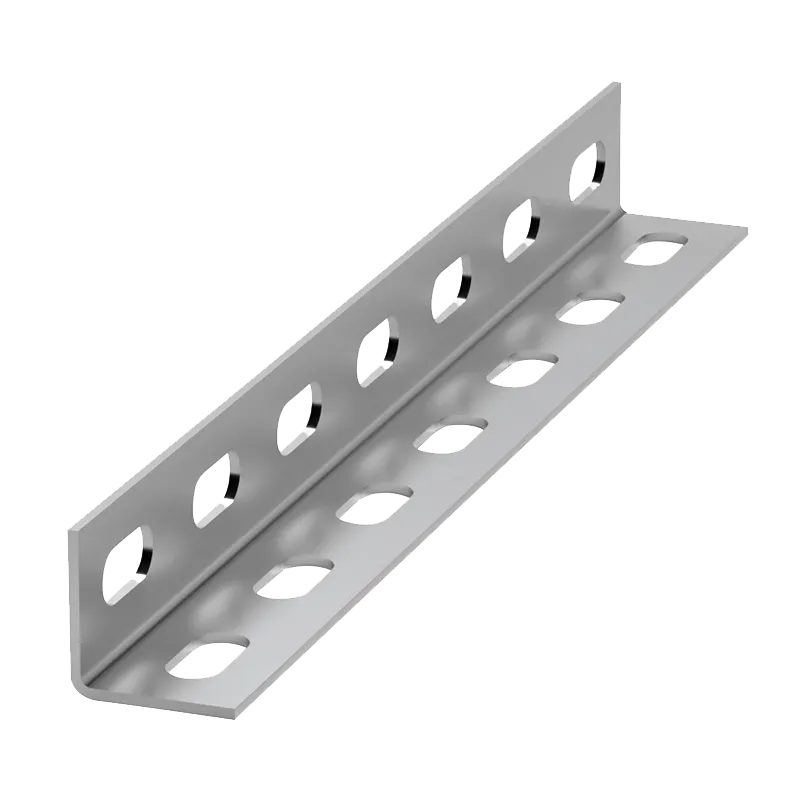
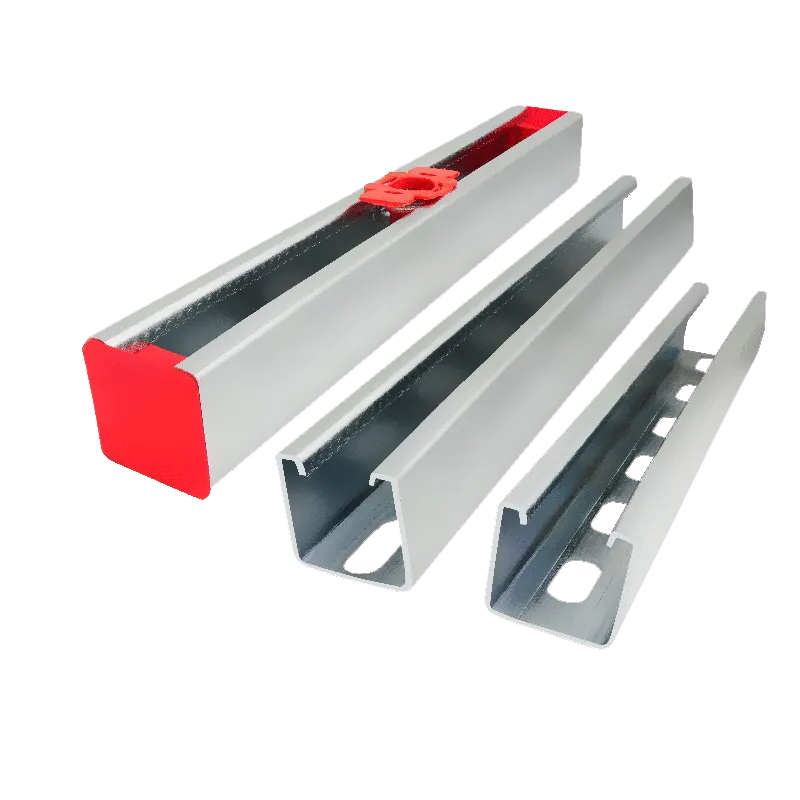
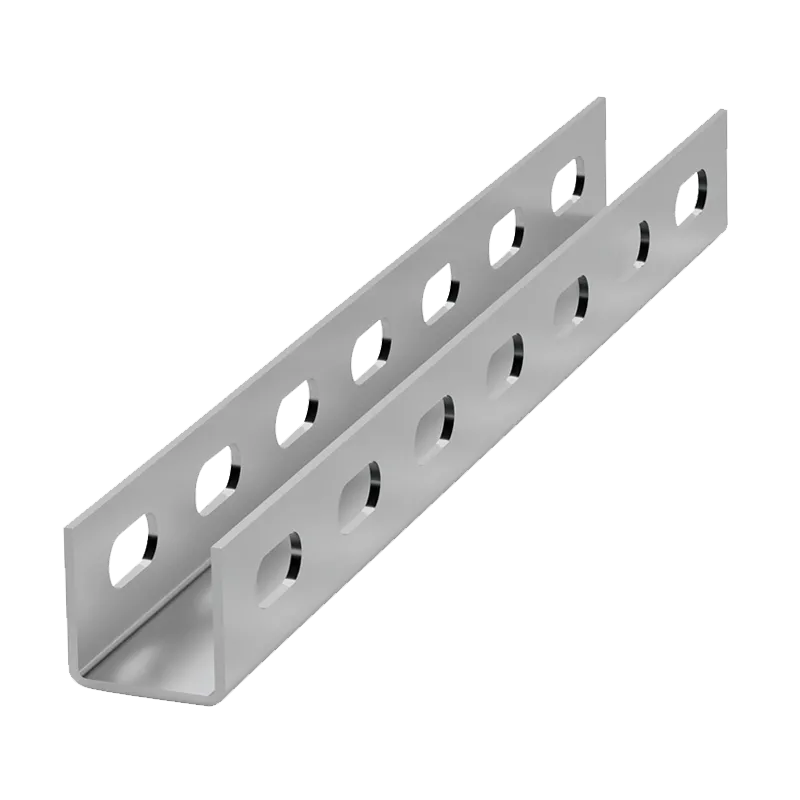
Profiles differ in shape and purpose. The NB Group range includes, among others, C, U, L and G type profiles.
C profile
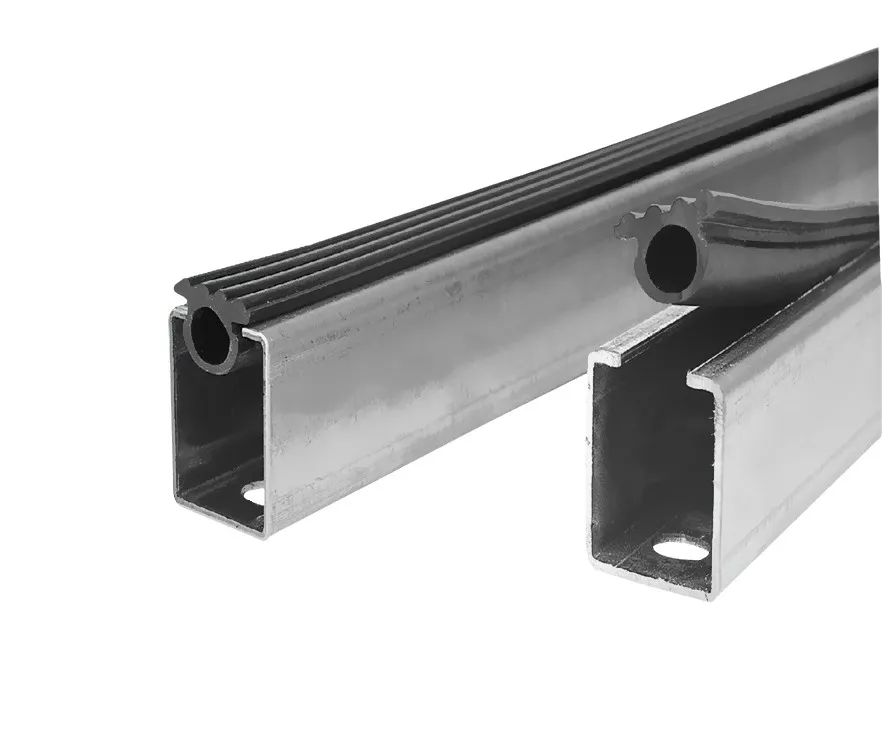
The C profile is often used to create modular suspension and support structures. Its shape allows suitable fixings and auxiliary elements to be secured at different positions along the profile. A C profile can be used in duct suspension systems, for fixing pipes, in support structures for HVAC equipment and in various engineering installations.
U profile
The U profile is used to create various support and connecting structures. Its specific use depends on the size and thickness of the profile and on the load the structure has to withstand.
L profile
An L shaped profile can be used as an angle support, a reinforcement or another auxiliary mounting element. The specific method of use depends on the structure of the project.
G profile
The G profile is also used in various engineering and mounting structures. When choosing a suitable option its size, load capability and compatibility with other fixing elements matter.
How to select a suitable profile
When selecting a profile the main question is not only what size of profile is needed, but also what load the whole mounting system has to withstand.
1. What are we fixing?
First it has to be determined what will be mounted on the profile: a small diameter duct, a large rectangular duct, a fan, a ventilation unit, a pipe or another engineering device. Different components create different loads.
2. What weight will the structure carry?
It is not only the weight of the duct or unit itself that matters. The total load can include thermal insulation, mounting elements, other auxiliary components and the profile structure itself.
3. What is the distance between supports?
The load capability of a profile is also affected by its length and the arrangement of the supports. The longer the free span, the higher the requirement for the strength of the profile.
4. Where is the installation?
You need to know whether the profile will be fixed to a ceiling, a wall, a floor, a metal structure or another support. The type of fixing has to be selected according to these conditions.
Why does vibration control matter?
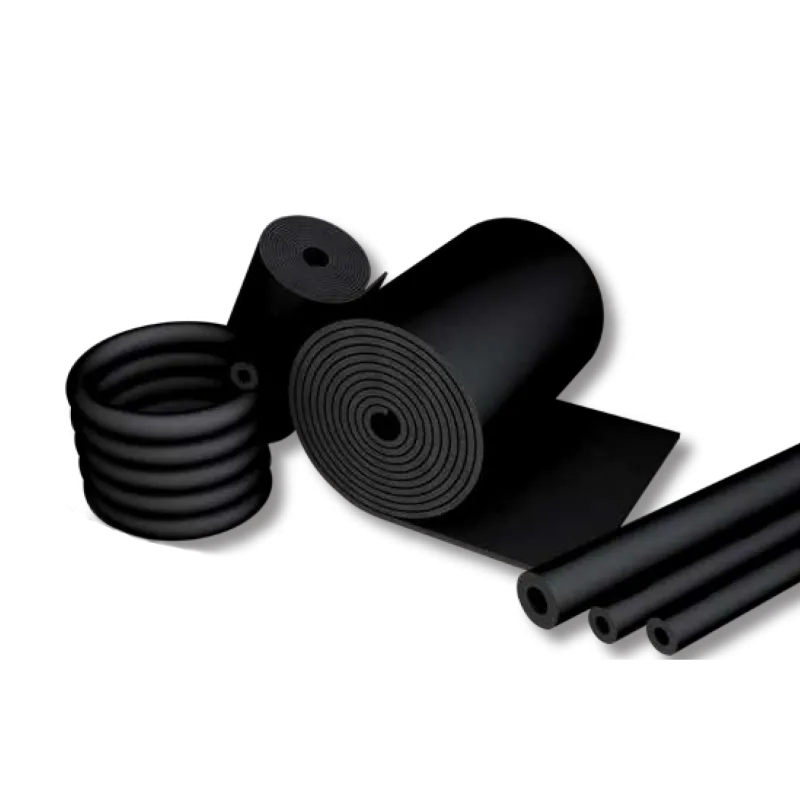
Fans and other mechanical equipment generate vibration while running. If the unit is fixed directly to a rigid metal structure, the vibration can be transmitted to the profile, the duct, the ceiling or wall and other building structures. This can cause additional noise. In a specific installation a rubber pad, a vibration isolator, a flexible connection or another suitable auxiliary element can therefore be used.
Are a mounting profile and a flange profile the same thing?
No. These are two products with different purposes.
| Product | Main function |
|---|---|
| Mounting profile | Support and fixing of ducts and equipment |
| Flange profile | Connecting rectangular duct sections and forming the flange |
Both can be used in the same ventilation system, but they perform different functions. Rectangular duct sections can be joined with a flange profile system, while the duct as a whole is fixed to the ceiling with mounting profiles.
Which components are used together with profiles?
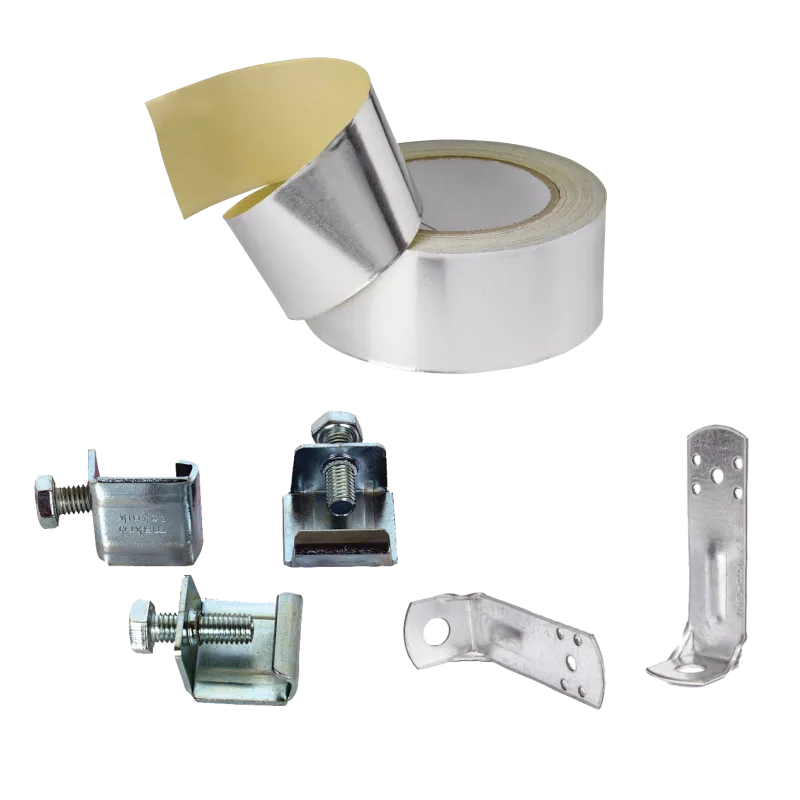
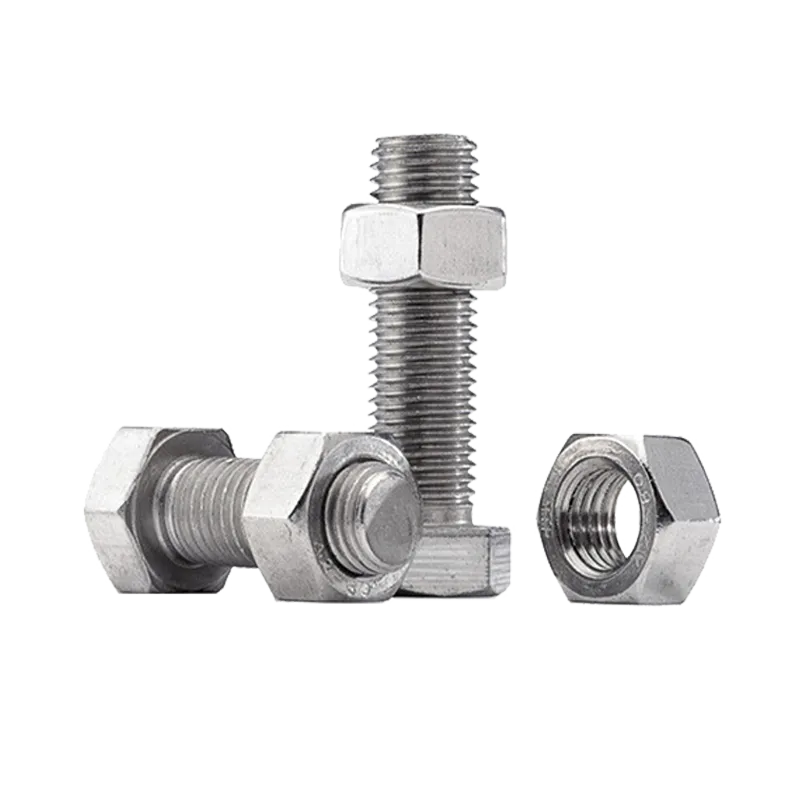
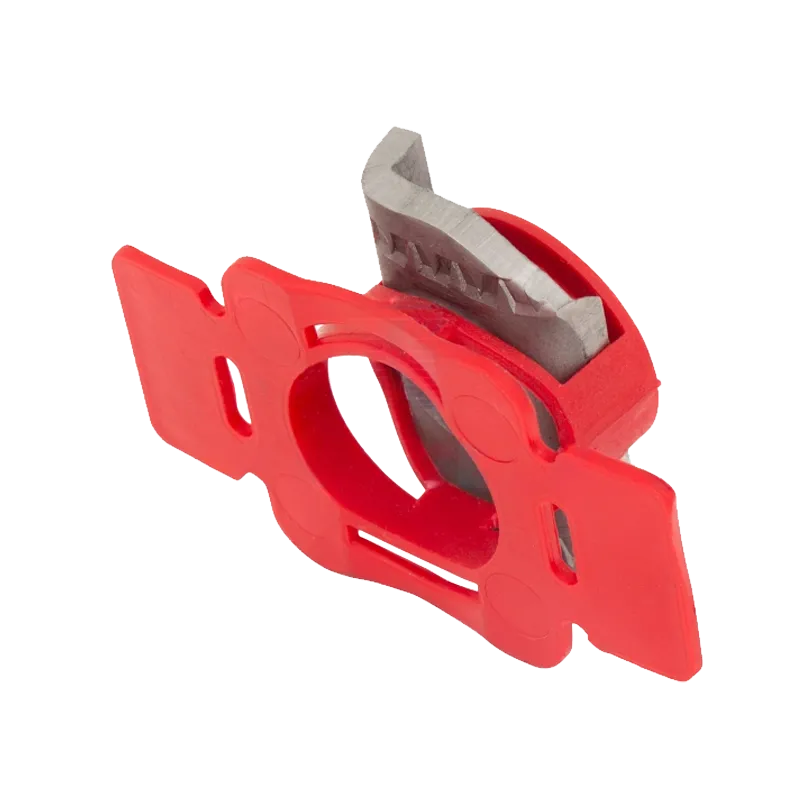
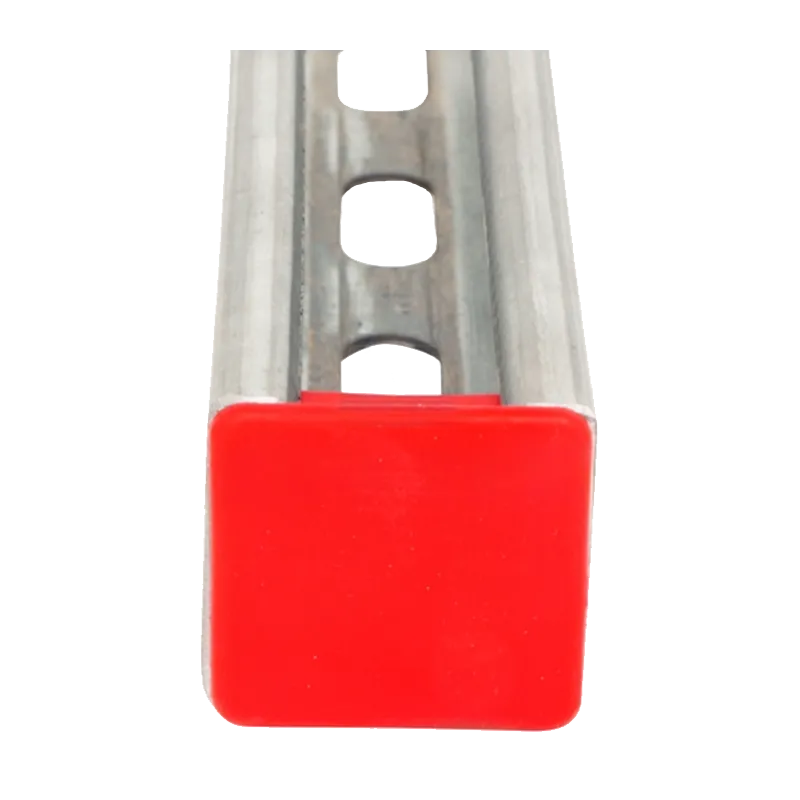
A profile is only one part of a complete mounting system. Depending on the installation, fixings, nuts, bolts, threaded rods, anchors, rubber pads, end caps and other mounting accessories may also be required. All components have to be compatible with each other in size, load and purpose.
What are the most common mistakes when selecting a profile?
Selecting a profile by size only
Two profiles of similar size can be intended for different loads.
Incorrectly assessing the total weight
Often only the weight of the duct is considered and insulation and other components are forgotten.
Too great a distance between supports
This can cause deformation of the profile or the duct.
Ignoring vibration
Fixing mechanical equipment directly to the structure can spread noise and vibration.
How to select a profile in practice
Before selecting a profile it helps to know:
- what equipment or duct has to be fixed;
- its size;
- approximately what total load it will carry;
- what profile shape is required;
- what length of profile will be used;
- the distance between supports;
- where the installation takes place;
- what type of surface it has to be fixed to;
- whether vibration isolation is required;
- which additional fixing components will be used.
Based on this data a suitable profile and mounting system can be selected.
Profiles at NB Group
NB Group supplies profiles for ventilation and HVAC systems, including mounting solutions of various shapes and purposes. The range includes C profiles, U profiles, L profiles, G profiles and the fixing and auxiliary components related to them.
When choosing a suitable profile it is important to consider not only the size of the product, but also the total load of the mounting structure and the conditions of use. NB Group branches are located in Tbilisi and Batumi.
Frequently asked questions
A mounting profile is a metal structural element used to fix ducts, pipes and HVAC equipment.
Profiles are used in the support and suspension structures of ventilation, heating, cooling and other engineering systems.
They differ in shape and in the way they are used in a specific mounting system. The suitable type has to be selected according to the structure and the load.
You need to consider the weight of the element being fixed, the size and length of the profile, the distance between supports and the installation location.
No. A mounting profile is mainly used to fix structures, while a flange profile is used to connect rectangular duct sections.
A rubber pad can help reduce vibration and direct contact between metal elements.
No. The size, construction and load capability of the profile and the fixing have to be compatible.
NB Group branches are located in Tbilisi and Batumi. Contact us for a consultation.