Radial Centrifugal Fans in Georgia
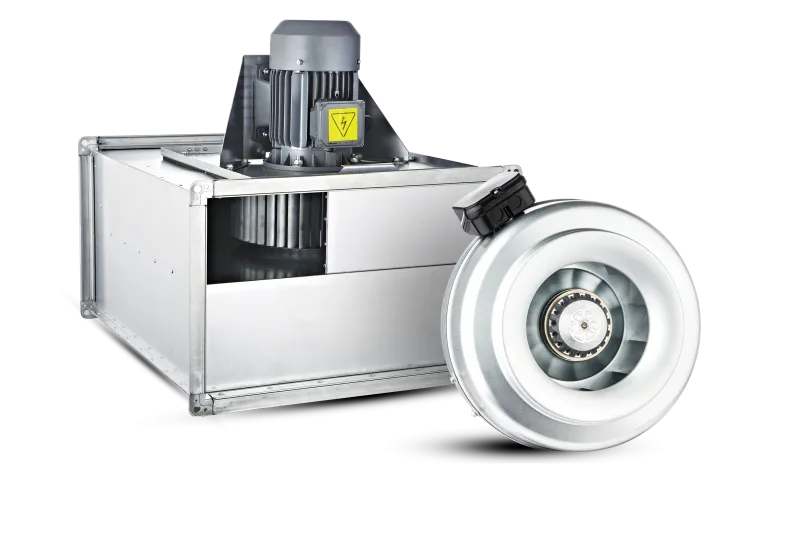
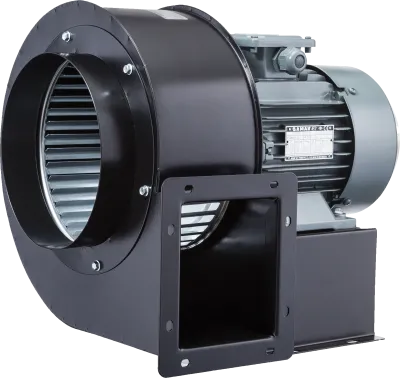
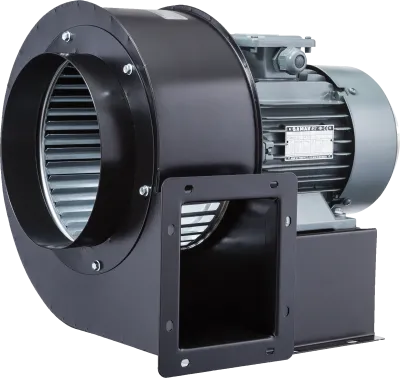
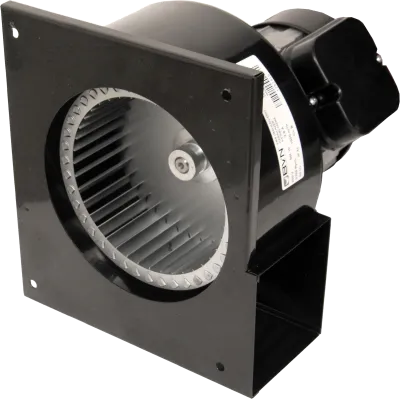
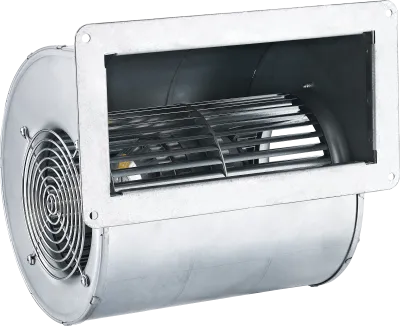
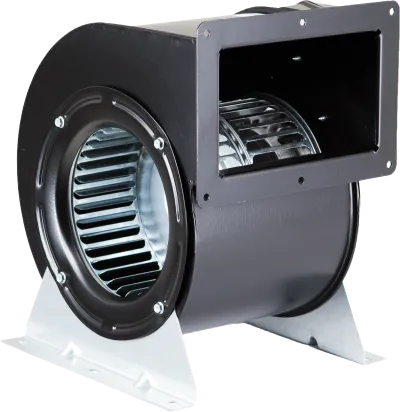
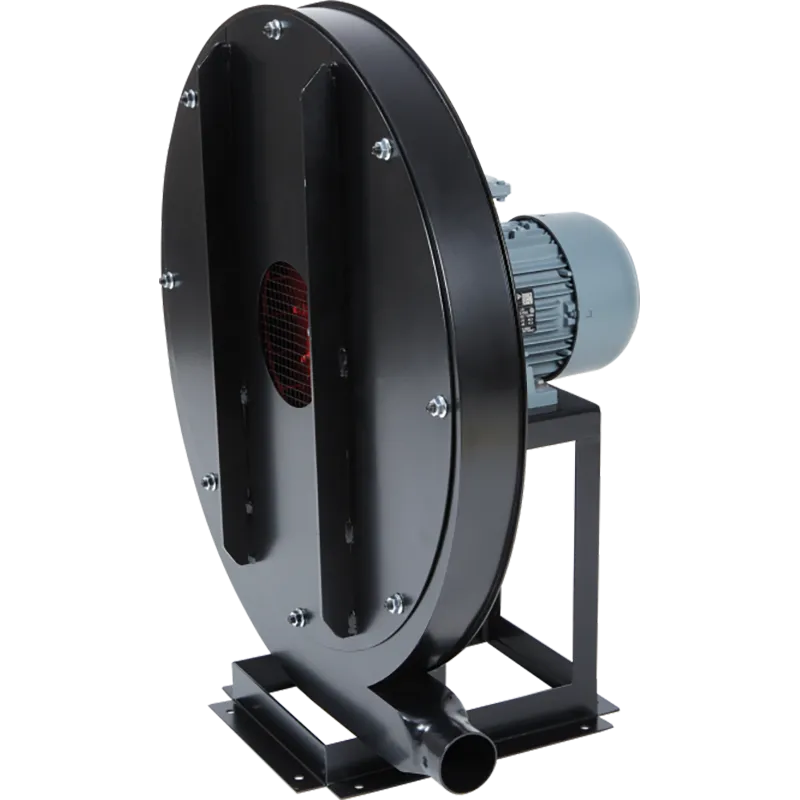
A radial fan draws air in at the centre and moves it in a radial direction through the rotation of the impeller. Such fans are particularly practical in systems where the air has to pass long ducts, bends, filters or other components that create resistance.
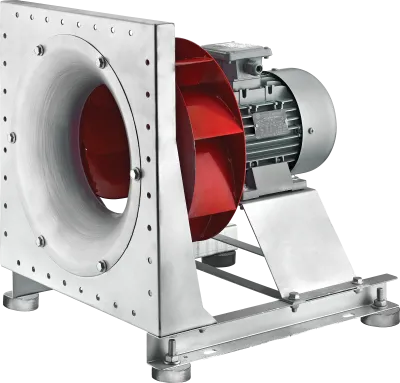
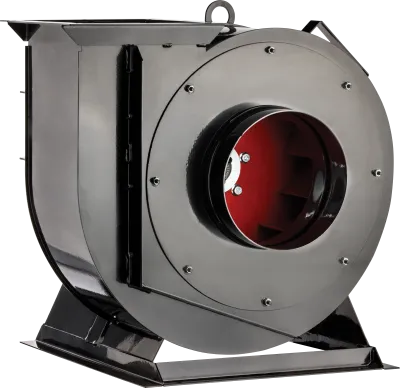
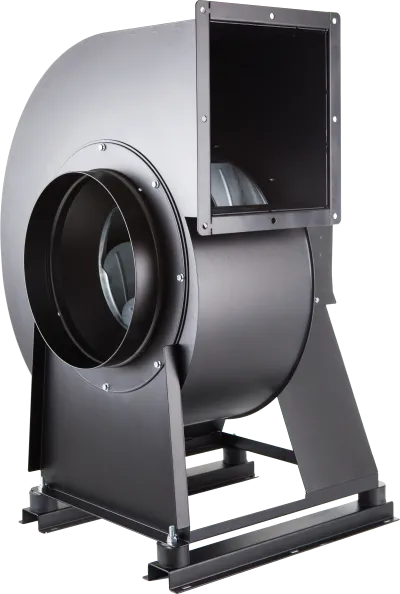
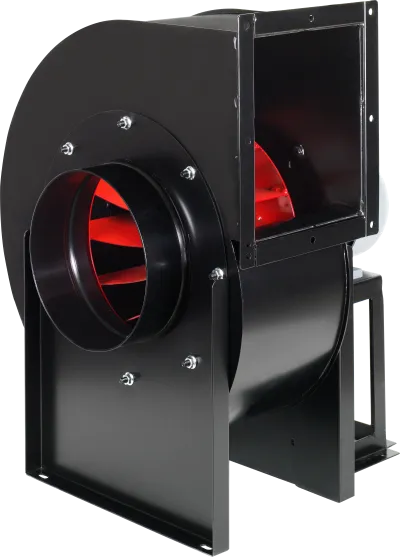
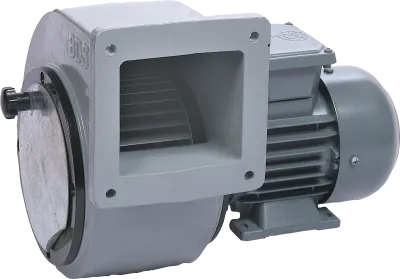
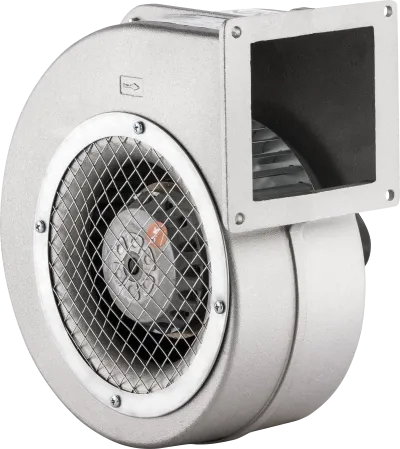
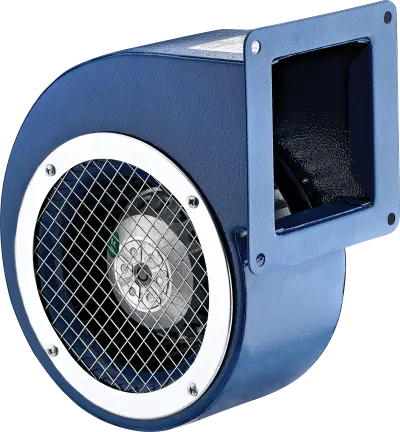
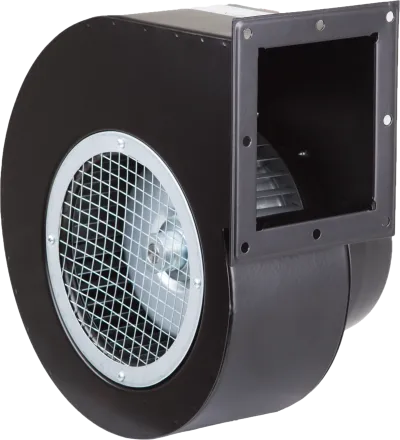
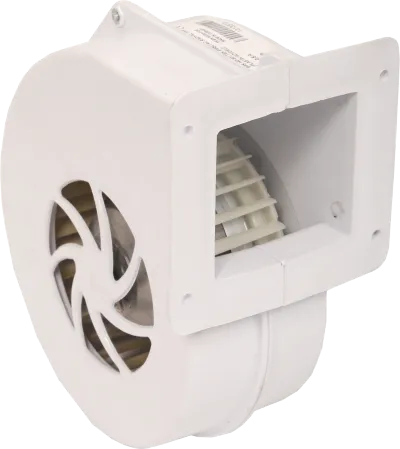
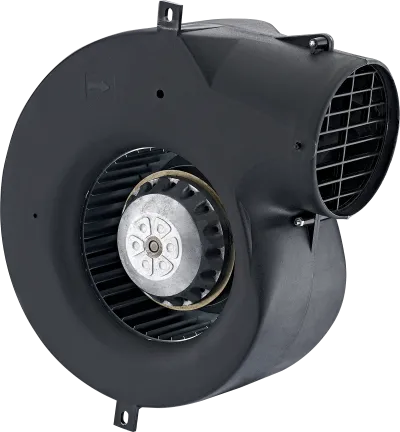
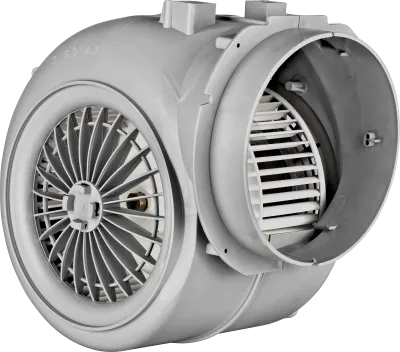
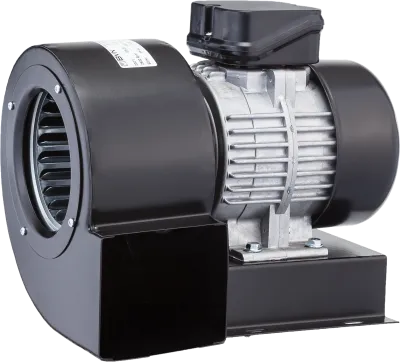
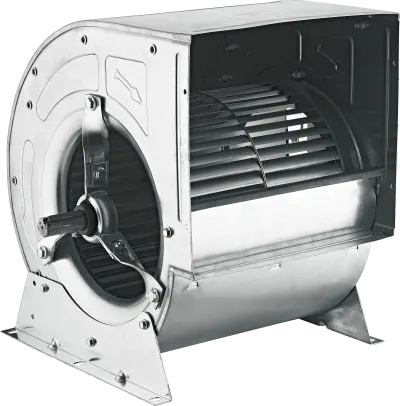
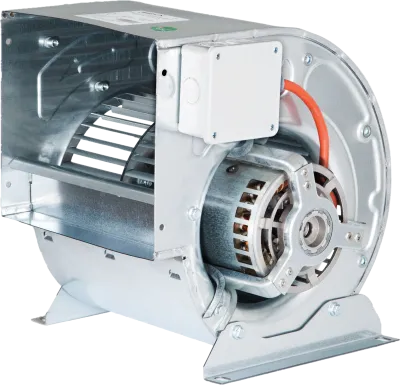
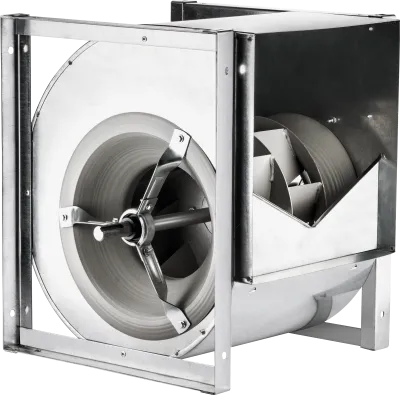
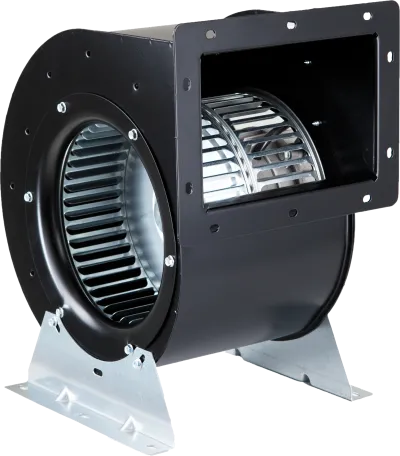
What is a radial fan?
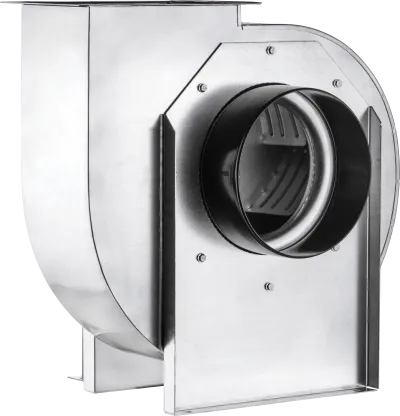
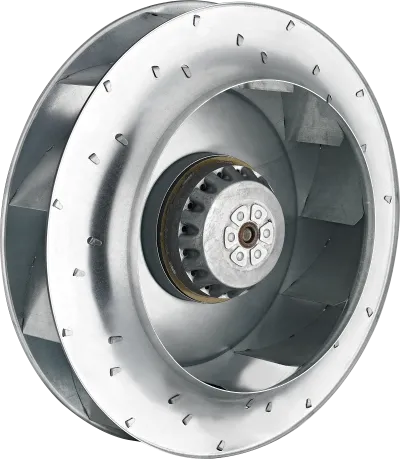
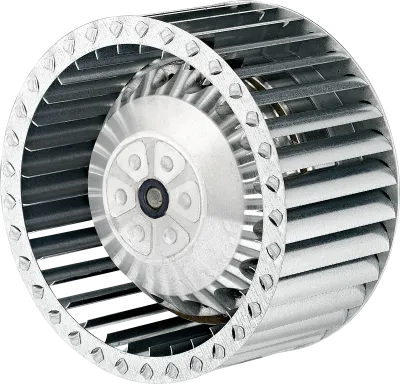
A radial, or centrifugal, fan takes air in at the centre of the impeller and changes its direction through rotation. The airflow enters the unit in one direction and leaves in another after passing through the impeller.
The main practical advantage of this design is that a radial fan can often create higher pressure than a conventional axial fan. This makes it particularly interesting when the ventilation network has high resistance.
When is a radial fan used?
Radial fans are often used in:
- industrial facilities;
- commercial buildings;
- centralised ventilation systems;
- long duct networks;
- extract systems;
- systems involving filtration;
- technological processes;
- kitchen and special purpose extract systems, with the appropriate model.
The main criterion is not only the type of space, but how much resistance the air has to overcome in the system.
Why are radial fans used in complex duct systems?
The longer and more complex the ventilation network, the more pressure is needed to move the air.
Resistance is increased by long ducts, multiple bends, changes in duct size, filters, grilles, dampers, heat exchangers and other ventilation components.
If the fan cannot create sufficient pressure, the high m3/h figure stated in a catalogue may not be achievable in the real system. This is why airflow and pressure always have to be assessed together when selecting a radial fan.
How to select a radial fan
The right model is selected according to the specific operating point - how much air has to be moved and at what pressure.
1. What airflow is required?
Airflow is usually expressed in m3/h. The required amount depends on the volume of the space, the purpose of the facility, the air change requirement, the working process, the number of local extract points and the overall purpose of the system. More airflow does not automatically mean a better result.
2. What static pressure is required?
For a radial fan this is one of the most important indicators. If the system contains many resistance creating components, the fan will need to generate higher pressure. A short simple duct creates less resistance, while a long duct with several bends and a filter is a significantly more complex system. Comparing airflow alone is therefore not sufficient.
3. What kind of air is being moved?
You need to know whether it is ordinary air, what its temperature is, whether it contains grease particles or dust, whether the environment is corrosive and whether there are special safety requirements. Compatibility with the specific environment must always be checked in the technical data of the model.
4. How long does the system run?
A radial fan may run periodically, during working hours, for long periods or continuously. The operating mode affects the choice of motor, control and the unit as a whole.
What is the difference between a radial and an axial fan?
A radial fan is often used in systems with higher pressure requirements, while an axial fan is used for high airflow under relatively low resistance.
| Parameter | Radial fan | Axial fan |
|---|---|---|
| Air movement | Changes direction | Along the axis |
| Pressure capability | Often higher | Often relatively low |
| Complex duct network | Often suitable | May be limited |
| Large free airflow | Depends on the model | Often a strong point |
| Typical use | Long ducts, filtration, industry | Simple networks, direct air change |
This does not mean that a radial fan is always better. The right type is selected according to the operating conditions of the system.
What does centrifugal fan mean?
Centrifugal fan is a common name for a radial fan. The term describes the working principle - during rotation the air moves from the centre of the impeller outwards.
This is why users may search for radial fan, centrifugal fan, industrial radial fan or extract radial fan. The technically suitable model still has to be chosen according to its working characteristics.
Why does the fan operating point matter?
The operating point is the combination of airflow and pressure at which the fan actually works in a specific system. This is one of the most important concepts when selecting a fan correctly.
For example, a product may state a high maximum capacity, but that figure often corresponds to different pressure conditions. In a real system ducts, bends, filters and grilles create resistance and the actual airflow of the fan changes. A professional selection should therefore be based on the fan curve and the system resistance.
Is higher pressure always better?
No. A fan with excessively high pressure is not automatically a better choice. If the unit is too powerful compared with the needs of the system, the result can be excessively high air velocity, noise, unnecessary energy consumption, unstable system operation and the need for additional regulation. The goal is not to choose the strongest fan, but to reach the correct operating point.
What are the most common mistakes when selecting a radial fan?
Looking only at the maximum m3/h
This does not show what airflow the system will receive at the required pressure.
Underestimating pressure
If the system resistance turns out to be higher in reality, the fan will not provide the required airflow.
Choosing an oversized model
"Let us take a stronger one just in case" is not always the right approach.
Not considering the operating environment
A hot, greasy, dusty or special environment may require a specific design of equipment.
Ignoring noise and vibration
The operating mode and installation of a radial fan can affect noise and vibration.
Assessing the system by individual components
A fan always has to be considered together with the whole duct network.
What information is needed to select a model?
Before selecting a radial fan it helps to know:
- the type of facility;
- the purpose of the ventilation system;
- the required airflow;
- the required or expected static pressure;
- the duct sizes;
- the length and configuration of the network;
- the presence of filters and other resistances;
- the working air temperature;
- the operating mode;
- the noise requirement;
- whether special environmental or safety conditions apply.
With this data the operating point of a specific fan can be assessed and suitable models compared.
Radial fans at NB Group
NB Group supplies radial fans in Georgia for various commercial and industrial ventilation systems.
When selecting a suitable model it is possible to assess the required airflow, working pressure, duct network, operating environment, temperature, noise level and the specific application.
For BVN products whose full technical data is presented on the Cloudair platform, the manufacturer's official page can be reached from the NB Group category. NB Group branches are located in Tbilisi and Batumi.
Frequently asked questions
A radial, or centrifugal, fan is a device that takes air in at the centre of the impeller and moves it in a radial direction through rotation.
They are often used in long and complex duct networks, centralised systems, filtration and industrial extract systems.
One of its main advantages is the ability to create relatively high pressure, which matters in complex duct systems.
A radial fan is often used for higher pressure systems, while an axial fan is used for large airflow under relatively low resistance.
Centrifugal fan is a common name for a radial fan and describes its working principle.
You need to assess the required airflow, static pressure, duct network, working temperature, operating mode and environmental conditions.
No. The fan has to match the real operating point of the system. An oversized unit can cause unnecessary noise and energy consumption.
NB Group branches are located in Tbilisi and Batumi. Contact us for a consultation.