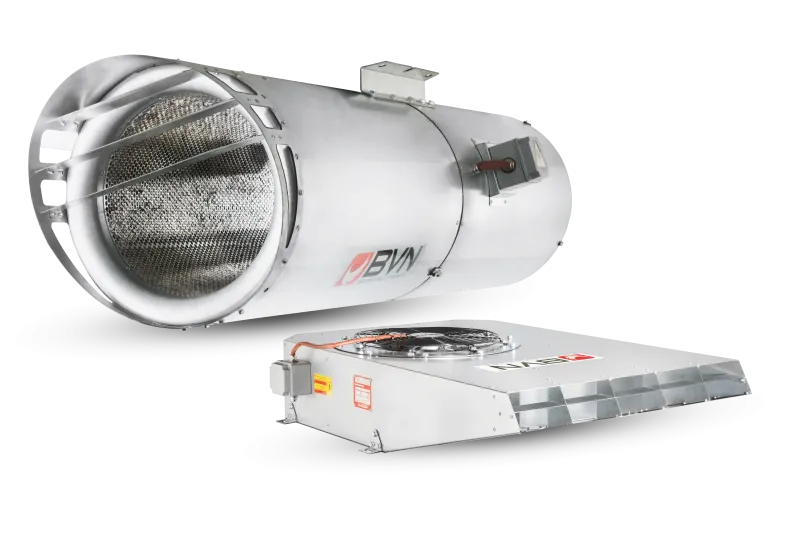
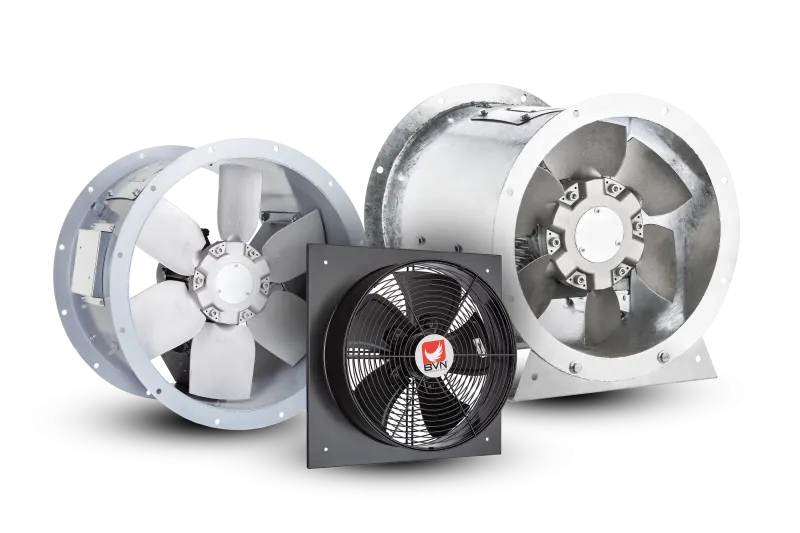
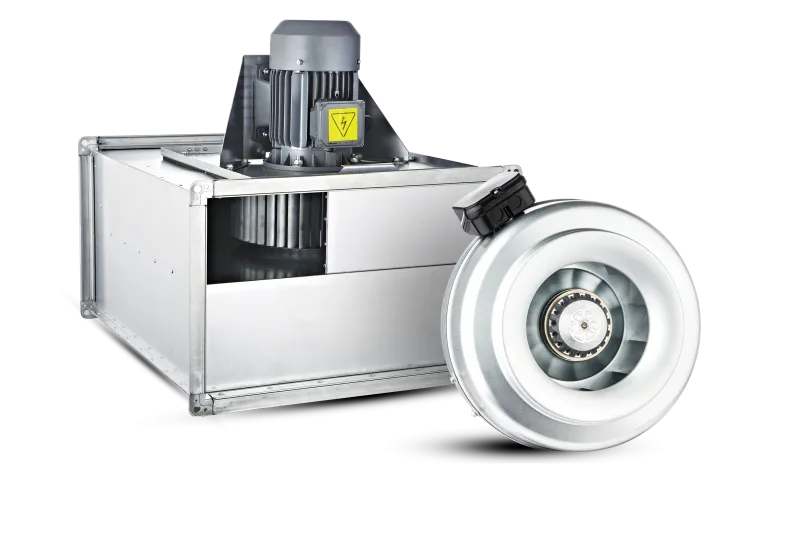
ATEX Explosion-Proof Fans for Industry in Georgia
An explosion proof fan is used in environments where flammable gas, vapour, mist or dust can create a potentially explosive atmosphere. In such spaces a conventional fan is not always permitted - the equipment must meet the technical and safety requirements of the specific facility.
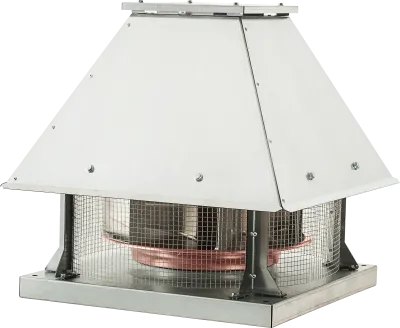
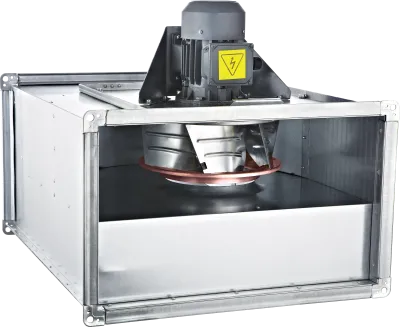
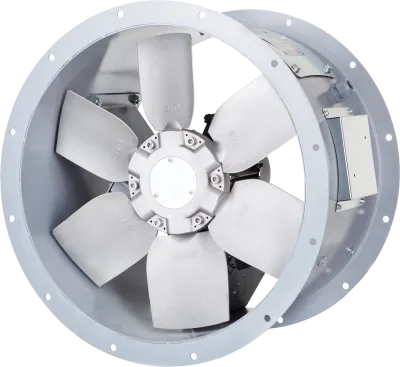
What is an explosion proof fan?
An explosion proof fan is intended for ventilation systems where additional safety requirements apply to the equipment because of the presence of flammable substances.
The source of risk can be:
- flammable gas;
- fuel vapour;
- solvent vapour;
- chemical substances;
- certain types of industrial dust;
- other flammable mixtures.
In such an environment the main function of the fan is not only to move air. The equipment has to be selected according to the conditions in which it will have to operate.
Where are explosion proof fans used?
In industrial spaces
If flammable gas, vapour or dust is used or produced in the manufacturing process, the ventilation system equipment also has to be selected according to those conditions.
In paint and coating areas
When paint, solvents and similar substances are used, flammable vapour can form in the air. The purpose of ventilation is to help control the concentration of these substances, although the equipment must be considered together with the complete engineering and safety system.
In chemical production
During chemical processes the composition of the air being moved can differ significantly from ordinary ventilation air. Here it is necessary to assess not only explosion protection but also the chemical resistance of the materials.
In fuel related facilities
In certain areas for storing, transferring or processing fuel there may be a risk of flammable vapour forming.
In dusty industrial environments
Some types of industrial dust can also create an environment with special safety requirements. The word "dust" alone is therefore not enough - the properties of the specific substance and the working environment have to be assessed.
How does an explosion proof fan differ from a conventional fan?
The main difference is that an explosion proof model has to be suitable, both in construction and in certification, for working in an environment with a specific risk.
| Parameter | Conventional fan | Explosion proof fan |
|---|---|---|
| Operating environment | Standard ventilation | Conditions defined for a potentially explosive atmosphere |
| Safety requirement | Ordinary | Special |
| Selection of equipment | Capacity, pressure, noise etc. | The same plus zone, substance, temperature and safety class |
| Importance of certification | Depends on the project | Critically important |
| Universal replacement | Sometimes possible | Replacement with a conventional model may be inadmissible |
An explosion proof fan should not be selected simply because the product name contains "EX" or a similar marking. The full technical documentation of the specific model has to be assessed.
How to select an explosion proof fan
The first step should not be choosing a fan model, but defining the working environment precisely. Only then are the ventilation parameters assessed.
1. What is the working environment?
You need to know:
- what substance is present in the air;
- whether it is gas, vapour or dust;
- under what conditions a hazardous concentration can form;
- at what temperature the process takes place;
- how the relevant working zone is classified.
This information should normally come from the project or from the specialist responsible for safety.
2. What airflow is required?
Next the required capacity in m3/h is determined.
The volume of air depends on:
- the volume of the space;
- the intensity at which the substance is generated;
- the type of process;
- the required air change;
- local extract systems.
High capacity by itself does not mean a safe system - the equipment has to meet both the air change and the safety requirements.
3. What resistance does the ventilation system create?
Ducts, bends, filters, dampers and other components increase system resistance. An explosion proof fan therefore also has to be selected at the correct operating point, taking the required airflow and pressure into account.
4. At what temperature does the system operate?
The temperature of the air being moved and of the working environment is an important parameter. The permissible temperature range of a specific unit must be checked in the manufacturer's technical documentation.
5. What materials does the equipment come into contact with?
In some environments, besides explosion protection, corrosion or chemical exposure also has to be considered. A single safety characteristic is therefore not sufficient for every possible working environment.
What does a working zone mean?
A potentially explosive environment is divided into different zones according to how often and for how long a hazardous atmosphere can form. This classification determines what type of equipment may be used in a specific space.
Reading general information on an NB Group category page cannot replace the zone classification of a specific facility. The zone must be defined by a qualified specialist or in the engineering design, and the fan has to comply with those requirements.
What should be checked in product certification?
For explosion proof equipment technical capacity alone is not enough.
The following have to be verified:
- which environment the model is certified for;
- in which zone it may be used;
- which type of substance the conformity refers to;
- which temperature conditions are permitted;
- what additional restrictions the manufacturer specifies.
Specific data must always be checked in the official technical documentation of the relevant product.
Why is choosing an "EX" model not enough on its own?
Because not every potentially explosive environment is the same.
For example, the conditions differ in:
- a space with fuel vapour;
- a specific area of chemical production;
- an environment with industrial dust;
- close to a high temperature process.
The fact that a unit belongs to the explosion proof category in general therefore does not automatically mean it is suitable for a specific facility.
What are the most common mistakes?
Using a conventional fan in a hazardous environment
If the project requires a special category of equipment, replacing it with a standard fan may not comply with the safety requirements.
Selecting by airflow only
m3/h and pressure are essential parameters, but for an explosion proof system the environment classification and the conformity of the equipment must be assessed as well.
Treating all EX fans as equal
The safety classification and conditions of use can differ from model to model.
Not considering the substance being moved
Gas, vapour and dust do not create the same working conditions.
Ignoring temperature
The temperature of the environment and of the air being moved has to match the permitted working conditions of the specific model.
Making a decision without technical documentation
When choosing such equipment the manufacturer's technical documentation is an essential source.
What information is needed to select a model?
Before contacting NB Group it helps to have the following information ready:
- the type of facility;
- a description of the working process;
- the type of gas, vapour or dust present in the air;
- the zone defined in the project;
- the required airflow;
- the required system pressure;
- the duct size and type;
- the working temperature;
- the operating mode;
- other special safety requirements.
If this information is already defined in the project, technical comparison of specific models becomes much simpler.
Explosion proof fans at NB Group
NB Group supplies explosion proof fans for special purpose ventilation systems.
The selection process requires two different requirements to be met at the same time:
- the fan must provide the airflow and pressure the system needs;
- the specific model must comply with the safety requirements of the working environment.
For BVN models whose detailed technical data is presented on the Cloudair platform, the manufacturer's official page can be reached from the NB Group category.
Before selecting a specific model it is recommended to verify the technical data of the project and the manufacturer's conformity documentation. NB Group branches are located in Tbilisi and Batumi.
Frequently asked questions
It is a special purpose fan that, within the limits of the relevant certification and working conditions, can be used in a potentially explosive environment.
In industrial, chemical, paint related, fuel related and other environments where flammable gas, vapour or dust may be present.
If the specific zone and the project require explosion proof equipment, using a conventional fan is not a suitable alternative.
The EX marking usually refers to equipment intended for use in a special, potentially explosive environment, but the specific conformity must always be verified in the official certification and technical documentation of the product.
No. The specific zone, the type of substance, the temperature and the conformity of the equipment all have to be checked.
First the classification of the working environment has to be defined, and then the required airflow, pressure, temperature and other system parameters.
Zone classification should be based on the relevant engineering design and the assessment of a safety specialist. A fan category page cannot replace that assessment.
NB Group branches are located in Tbilisi and Batumi. Contact us for a consultation.