Heat Recovery & HRV Units in Georgia
Heat recovery devices reduce heat loss in a ventilation system and make it possible to use energy in a building more efficiently. The models in the NB Group range are used in commercial, public and engineering ventilation systems.
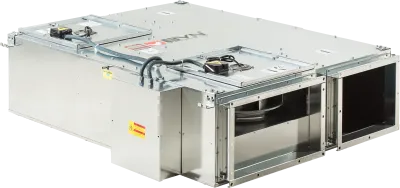
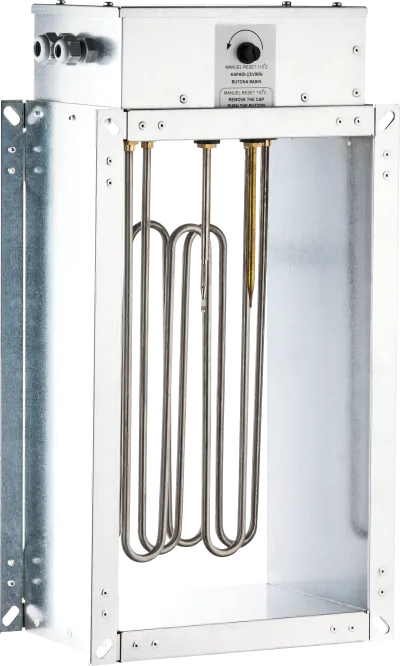
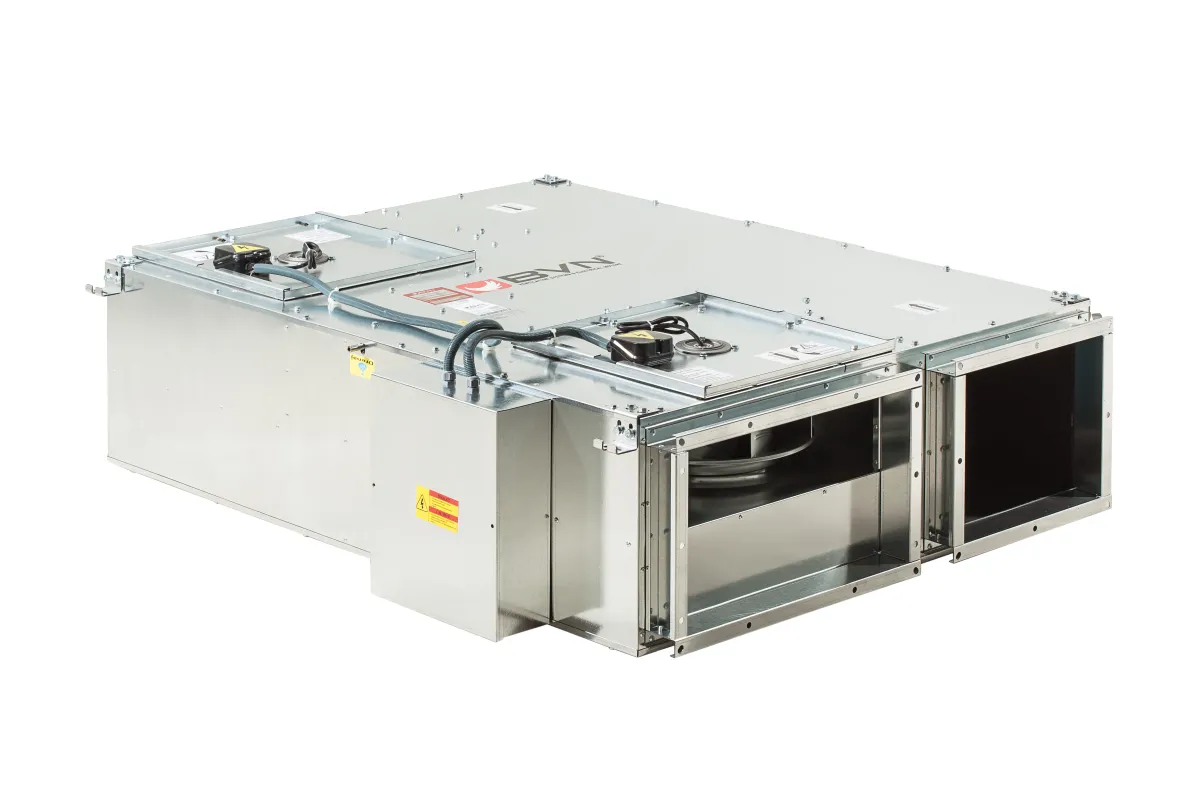
What is a heat recovery device?
A heat recovery device is a component of an engineering system that helps use heat more efficiently and reduces unnecessary energy loss.
During ventilation, removing air from a building often also means losing heat. In modern energy efficient systems the aim is to carry out air change in such a way that as much as possible of the energy spent on heating and cooling the building is retained.
Using heat recovery devices is particularly relevant in facilities where:
- the ventilation system runs for long periods;
- continuous air change is required;
- heating or cooling costs are high;
- energy efficiency matters;
- many people are present in the building;
- stability of the indoor temperature is important.
Where are heat recovery devices used?
Heat recovery solutions can be used in various types of building.
In offices
In an office the ventilation system often runs throughout the working day. It is therefore important not only to supply air, but also to work energy efficiently together with the heating and cooling systems.
In hotels
In a hotel fresh air, temperature comfort and energy consumption all matter at the same time. Correct system design is particularly important when the hotel has a large number of rooms and common areas.
In retail and commercial spaces
In large volume buildings continuous air change requires significant energy. A heat recovery solution therefore often affects the overall operating cost as well.
In industrial and warehouse spaces
Depending on the working environment, large volumes of air may need to be supplied or extracted. In such cases the efficiency of the system and its compatibility with the operating conditions are especially important.
In residential buildings
In energy efficient buildings good thermal insulation reduces natural air exchange. Correctly selected mechanical ventilation can therefore become important for maintaining indoor air quality.
Why does energy efficiency matter in ventilation?
The purpose of ventilation is not only air movement - the system should provide the required air change as efficiently as possible.
In winter the air inside a building is heated. If warm air constantly leaves and cold air enters in its place, the heating system has to spend additional energy.
In summer a similar process works in reverse: cooled indoor air is replaced by warm outdoor air and the load on the cooling system increases.
The aim of a correctly selected heat recovery solution is to reduce this loss and improve the combined operation of the ventilation and climate systems.
How to select a heat recovery device
Selection requires assessing the engineering system as a whole, not just reading the technical data of a single product.
1. Required airflow
First it has to be determined how much air needs to be supplied or extracted for the specific space.
Airflow depends on:
- the volume of the space;
- its purpose;
- the number of people;
- the working process;
- the required air change intensity.
2. Operating temperature
Both outdoor and indoor temperature conditions need to be known. The temperature difference affects the energy load of the system and the selection of suitable equipment.
3. Duration of system operation
If the system runs a few hours a day, the requirements can differ from a facility where ventilation runs practically continuously. With long operating hours the importance of energy efficiency grows further.
4. System resistance
Ducts, filters, grilles, dampers and other elements create resistance to air movement. Compatibility with the whole system therefore has to be assessed when selecting equipment.
5. Purpose of the building
The same solution is not always optimal for a hotel, an office, a residential building and an industrial facility.
How does a heat recovery solution affect energy consumption?
The main advantage of a heat recovery device is that it helps reduce unnecessary energy loss while the ventilation system operates.
However, one thing is important: the real energy saving depends on the whole system.
It is affected by:
- the thermal insulation of the building;
- outdoor climate conditions;
- operating hours;
- the volume of air change;
- the efficiency of the equipment;
- system control;
- installation quality.
Promising one specific percentage or a universal saving without technical data would therefore not be correct.
Are a heat recovery device and a heat recovery unit the same thing?
Not always. A heat recovery unit is one specific solution within heat recovery ventilation, while "heat recovery devices" can cover a broader category.
In the case of a heat recovery unit, part of the energy of the outgoing air is used for the incoming air. Other components of a heat recovery system may have a different function and construction.
If the goal is specifically to recover heat from the outgoing air and supply fresh air, the heat recovery unit category should also be considered separately.
When should heat efficiency receive particular attention?
| Situation | Why it matters |
|---|---|
| Ventilation runs all day | Total energy consumption increases |
| The building is well insulated | Controlled air change becomes important |
| Large volumes of air need to be supplied | Heating and cooling load increases |
| It is a hotel or an office | Comfort and operating cost matter at the same time |
| Heating costs are high | Heat loss during air change is more noticeable |
| The system is automatically controlled | Operating modes can be optimised |
What mistakes are made when selecting a heat recovery device?
Selecting by price only
Cheap equipment may look like an economical choice at the start, but if it does not match the needs of the system, the final energy consumption and operating cost can increase.
Looking only at maximum capacity
A large airflow does not always mean a better result. The system has to match the real requirements of the specific space.
Not considering the purpose of the building
A residential space, a hotel, an office and an industrial facility have different requirements.
Assessing only one component
Heat efficiency depends on the whole system - the equipment, the ducts, the automation, the insulation and the operating mode.
Not specifying the technical conditions
Before choosing equipment it is essential to know the required air volume, temperature, operating mode and other main parameters of the system.
What information is needed to select suitable equipment?
If you are not sure which solution you need, it is useful to prepare the following information in advance:
- the type of facility;
- the floor area and height of the space;
- the required airflow, if already calculated;
- the purpose of the ventilation system;
- the expected operating hours;
- indoor and outdoor temperature conditions;
- the existing heating and cooling system;
- the main parameters of the ductwork;
- the energy efficiency requirement;
- the need for system control or automation.
Based on this data the technical parameters of a product can be assessed more accurately.
Heat recovery devices at NB Group
NB Group supplies equipment and components for ventilation and HVAC systems in Georgia.
When selecting a suitable product it is important to consider the device not on its own, but as part of the system it will have to work in.
In consultation with NB Group specialists it is possible to assess the main requirements of a specific project and select a suitable technical solution.
Company branches are located in Tbilisi and Batumi, and delivery is available to various regions of Georgia.
Frequently asked questions
A heat recovery device is a component of an engineering or ventilation system whose purpose is to use energy more efficiently and reduce unnecessary heat loss.
They can be used in offices, hotels, retail facilities, residential buildings, warehouses and industrial spaces.
The airflow, working temperature, system resistance, operating mode and the purpose of the facility all have to be taken into account.
No. The capacity of the equipment has to match the requirements of the specific system.
A heat recovery unit is one common device within heat recovery ventilation, which uses part of the energy of the outgoing air for the incoming air.
Not from the product name alone. The real result depends on the building, the climate, the air change, the operating mode and the whole engineering system.
NB Group branches are located in Tbilisi and Batumi. Contact us for a consultation.